
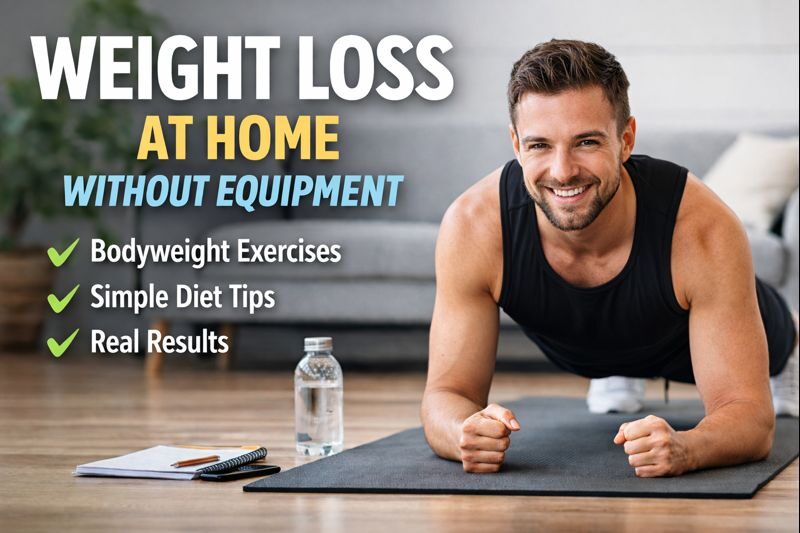
Alright, let’s be real for a second.
If losing fat actually required fancy machines, gym memberships, or some secret piece of equipment, most of my clients over the last 15 years would’ve been stuck forever. And they weren’t. Not even close.
I’ve coached busy parents, office workers, students, and people who honestly hated gyms with a passion. Most of them lost weight right at home. No equipment. No mirrors. Sometimes no shoes.
So if you’re wondering whether weight loss at home without equipment is actually possible… yeah. It is. And not in a “fitness influencer yelling at you” kind of way. In a realistic, sustainable, this-fits-real-life way.
Key Takeaways
- Why Weight loss at home without equipment works.
- Simple bodyweight workouts beat complicated plans.
- You don’t need daily exercises to see results.
- Consistency beats motivation every time.
- Why Weight Loss at Home Without Equipment Actually Works
- Let’s Clear This Up: How Weight Loss Really Works
- So… What Should You Actually Do at Home?
- Now You’re Moving… Let’s Talk Food (Quickly, I Promise)
- Small Habits That Make a Big Difference
- You’re Working Out… Now Hydration Starts to Matter More Than You Think
- Recovery Is Part of Weight Loss (Even If It Feels Like Doing Nothing)
- The Plateau Everyone Freaks Out About
- Motivation: Let’s Be Honest About It
- Common Mistakes I See All the Time
- “But I’m a Total Beginner… Is This Still Okay?”
- Conclusion: Real Talk Before You Scroll Away
- FAQ
Why Weight Loss at Home Without Equipment Actually Works
Here’s the thing most people miss.
Your body doesn’t know whether you’re doing squats in a gym or squats next to your couch. Muscles don’t care. Fat definitely doesn’t care.
What does matter is consistency, effort, and whether you’re burning more calories than you eat over time. That’s it.
I’ve had clients start with nothing more than bodyweight squats, wall push-ups, and walking around their apartment. A few weeks later? Clothes fit better. Energy goes up. Scale slowly moves.
Slowly is good, by the way.
If you’re doing at-home weight loss for beginners, starting simple is actually a huge advantage. Less pressure. Less quitting.
And honestly? You’re more likely to stick with it.
Let’s Clear This Up: How Weight Loss Really Works
Before we talk workouts, we need to get this straight. Because if this part’s fuzzy, everything else feels frustrating.
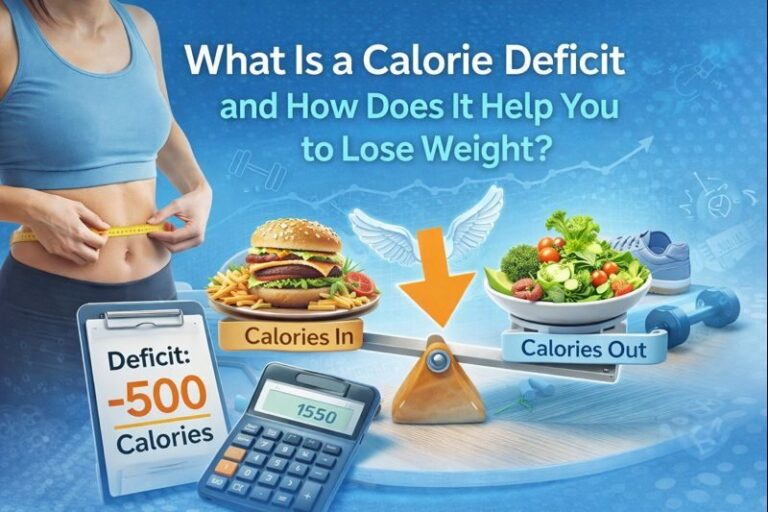
Weight loss comes down to a calories deficit. You burn more than you eat. Not magically. Not overnight. Just over time.
Now, exercise helps create that deficit, sure. But movement also does something sneaky and powerful.
It improves appetite control.
I’ve seen it again and again. People start moving regularly and suddenly they’re not as snacky. Not perfect. Just… calmer around food.
There’s solid research backing this up too. Harvard Health talks about how regular physical activity supports long-term weight control and metabolism:
👉 Source
If numbers help you stay grounded, using a calories deficit calculator can be useful. Not to obsess. Just to get a rough idea and move on.
Remember, this doesn’t have to be perfect. It just has to be repeatable.
So… What Should You Actually Do at Home?
Now that we’re on the same page, let’s talk movement.
And no, I’m not going to throw a 45-exercise list at you. Nobody does that.
When it comes to weight loss at home without equipment, I usually start clients with three buckets:
- Full-body strength
- Light cardio or movement
- Short bursts of intensity (hiit, but calm down, we’ll get there)
That’s it.
Bodyweight Training: Your Foundation
Strength training without weights still works. Really well, actually.
Your body is the weight.
Squats. Lunges. Push-ups (on knees or against a wall). Glute bridges. Planks. These moves hit a lot of muscle at once, which means more calories burned and better muscle tone.
I once had a client who refused to do push-ups. Hated them. We started with wall push-ups for two weeks. Then counter-height. Then the floor.
Progress happens fast when you’re not rushing it.
Muscle also helps protect your joints, which matters if you’re doing this long term. The National Institutes of Health backs this up when talking about resistance training and metabolic health.
No equipment needed. Just patience.
What About Cardio at Home?
Good news. You don’t need a treadmill.
Walking around your house. Marching in place. Stair climbing. Dancing while cooking dinner (yes, that counts). All of it adds up.
This kind of movement boosts daily calorie burn without wrecking your recovery. I push this hard with clients who think workouts are the only thing that matters.
They’re not.
Daily movement is sneaky powerful.
Let’s Talk HIIT (Without the Intimidation)
Now, about hiit.
People hear that word and picture puking on the floor. That’s not what I mean.
HIIT just means short bursts of effort followed by rest. For example:
30 seconds of squats.
10 seconds of breathing.
Repeat.
That’s it.
I suggest HIIT maybe 2–3 times a week, tops. Especially if you’re new. More isn’t better here. Better is better.
And no, HIIT alone won’t fix everything. But combined with strength and daily movement? It’s a great tool.
Now You’re Moving… Let’s Talk Food (Quickly, I Promise)
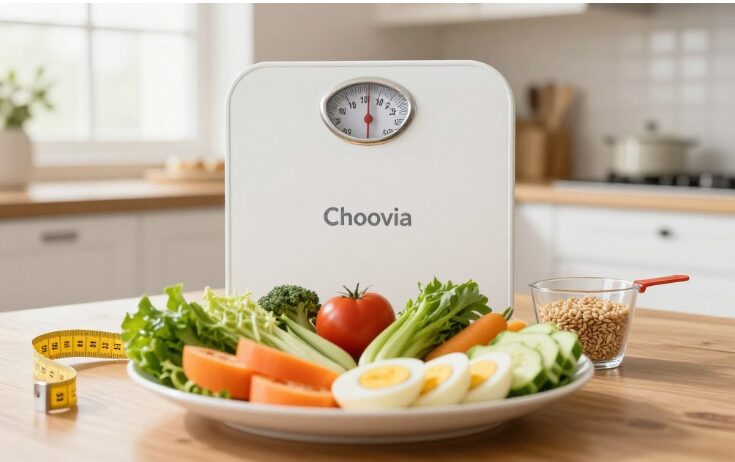
So you’re exercising at home. Nice.
Now, food.
You don’t need a strict diet. I don’t recommend cutting entire food groups unless there’s a medical reason. Been there. Seen it backfire.
What does help is awareness.
Portions. Protein at most meals. Fiber. Drinking enough water so hydration doesn’t stall fat loss (yes, that’s a real thing).
I’ve had clients swear they were “eating nothing,” only to realize they were just dehydrated and constantly snacking.
Sometimes the fix is boring. Drink water. Maybe even use one of those smart water bottles if reminders help.
No shame in tools.
Small Habits That Make a Big Difference
Here’s where real life kicks in.
You don’t need to work out every day. But you do need habits that support the goal.
Sleep. Huge.
Steps. Underrated.
Stress. Sneaky.
I’ve seen people stall for weeks, not because their workouts were bad, but because stress eating and poor sleep wrecked their progress.
And yeah, it’s annoying. But it’s also fixable.
One More Thing Before We Move On
If you’re the kind of person who likes structure, challenges help.
I’ve used 30-days workout challenge formats with clients who needed a clear start and end. Not because 30 days is magic. But because momentum is.
Same with a simple Morning Home Workout Routine. Ten minutes. Same moves. Every morning.
Consistency beats intensity. Every time.
So, if you’re sitting there thinking, “Okay, but where do I start tomorrow?” — good. That’s exactly the right question.
Alright. So now you’re moving your body, you’ve got a rough handle on food, and you’re not trying to do everything perfectly.
Good. That’s exactly where you want to be.
Let’s keep going.
You’re Working Out… Now Hydration Starts to Matter More Than You Think
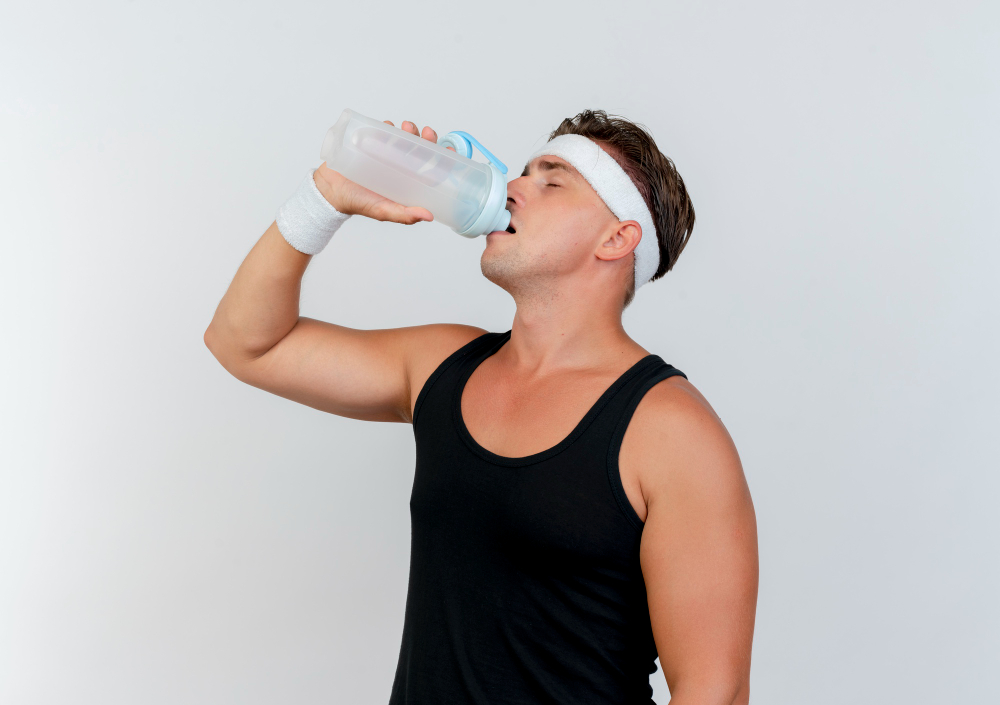
Now you did everything right with workouts and food, another important factor quietly sneaks in.
I know. Not exciting. But stick with me.
When people tell me they’re “doing everything” and still not losing weight, nine times out of ten, hydration is off. Not terrible. Just off enough to mess things up.
Dehydration can mess with appetite control. You feel hungry when you’re actually just thirsty. It can also make workouts feel harder than they should, which leads to shorter sessions, less effort, and eventually frustration.
And here’s something most people don’t realize: dehydration can literally make you feel stiff and achy. Joints get cranky. Muscles feel tight. Motivation drops.
There’s good research showing hydration affects physical performance and recovery, including joint lubrication and muscle function:
👉 Source
So no, water won’t magically melt fat. But hydration can stall fat loss if you ignore it.
I usually tell clients to keep it simple. Drink water when you wake up. Drink some before workouts. Sip after. Don’t overthink it.
Recovery Is Part of Weight Loss (Even If It Feels Like Doing Nothing)
Here’s a mistake I made early in my career as a trainer.
I thought more was always better.
More workouts. More sweat. More pain.
Turns out, that’s a fast way to burn people out.
Recovery matters. Especially when you’re doing weight loss at home without equipment, because your body is adjusting to new stress without machines to guide movement.
Muscles rebuild when you rest. Hormones balance when you sleep. Fat loss actually happens when your body isn’t constantly stressed.
If you’re sore all the time, exhausted, and dragging through workouts, that’s not “working hard.” That’s your body asking for a break.
I suggest at least one full rest day per week. Maybe two, honestly. Walking is fine. Stretching is fine. Punishing yourself is not.
The Plateau Everyone Freaks Out About
Let’s talk about plateaus.
Because they’re coming.
At some point, the scale won’t move. Measurements stall. You’ll think, “Great. This stopped working.”
It didn’t.
Your body just adapted.
I’ve seen this hundreds of times. Clients panic. They want a new plan. More workouts. Less food.
Usually, the fix is way simpler.
Sometimes it’s tightening up food portions just a bit. Sometimes it’s adding steps. Sometimes it’s sleeping more. Occasionally, it’s eating a little more for a week to reset things.
Weight loss isn’t linear. Anyone who tells you it is hasn’t coached real humans.
So if you hit a plateau, don’t quit. Adjust. Small changes. One thing at a time.
Motivation: Let’s Be Honest About It
Motivation is unreliable.
There. I said it.
If motivation were enough, nobody would struggle with weight. You can’t rely on feeling fired up every day. I don’t. My clients don’t.
What works better is routine.
Same workout time. Same place. Same basic plan. Fewer decisions.
That’s why simple structures like a Morning Home Workout Routine work so well. You wake up. You move. You don’t negotiate with yourself.
Some clients love checklists. Others love challenges. That’s where something like a 30-days workout challenge can help. It gives you a finish line without making it permanent.
You don’t need motivation. You need momentum.
Common Mistakes I See All the Time
Let me save you some frustration.
One mistake? Going all-in too fast. Daily HIIT. No rest days. Eating way too little. It works… briefly. Then it crashes.
Another? Ignoring food completely and hoping workouts will fix everything. They won’t. Exercise supports fat loss, but you can’t out-train overeating.
And one more. Comparing yourself to someone else’s results. Different body. Different stress. Different history.
I don’t recommend chasing perfection. I suggest chasing consistency.
“But I’m a Total Beginner… Is This Still Okay?”
Absolutely.
If you’re new, or getting back into it after a long break, weight loss at home without equipment is one of the safest places to start.
You control the pace. You can modify everything. You’re not trying to keep up with anyone else.
Start small. Ten minutes. Seriously.
I’ve had clients lose weight doing less than they thought was “enough,” simply because they actually stuck with it.
That’s the secret nobody wants to hear.
Conclusion: Real Talk Before You Scroll Away
Weight loss at home isn’t about hacks.
It’s about stacking small, boring wins until they turn into something real.
Move your body most days.
Eat like someone who cares about their future self.
Drink water.
Sleep.
Repeat.
Some weeks will feel amazing. Others will feel meh. That’s normal.
If you’re consistent, results show up. Slowly. Then suddenly.
And when they do, it feels pretty damn good. 😌
So… what’s the first thing you’re going to try tomorrow?
FAQ
Can you really lose weight at home without equipment?
Yes. Your body doesn’t need machines to burn fat. Consistent bodyweight training, daily movement, and a calories deficit are more than enough for real results.
How long should I work out each day to lose weight at home?
Most people do great with 20–30 minutes. Even 10 minutes works if you’re consistent and actually move with purpose.
Is HIIT necessary for weight loss at home?
No. HIIT helps burn calories faster, but walking, strength training, and steady routines work just as well when done regularly.
What are the best exercises for weight loss without equipment?
Squats, lunges, push-ups, glute bridges, planks, and full-body circuits. Simple moves that use a lot of muscles beat fancy ones.
Do I need to follow a strict diet to lose weight at home?
Not strict. You do need awareness. Portion control, enough protein, and staying in a calories deficit matter more than cutting foods out.
When should I expect results?
Most people notice energy and habit changes in 1–2 weeks. Visible fat loss usually follows in 3–4 weeks if consistency stays high.
What if I’m a complete beginner?
Perfect. At-home weight loss for beginners works best when you start slow. Ten minutes, simple moves, and gradual progress win every time.