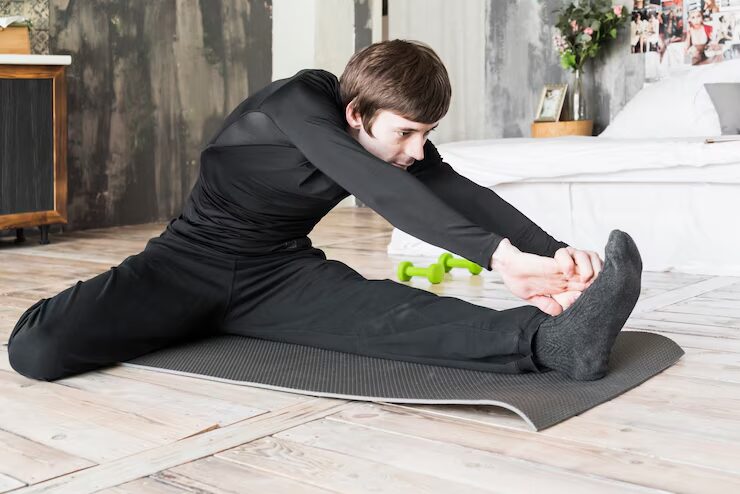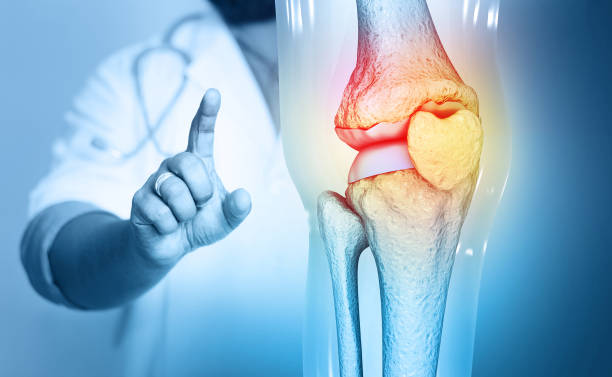


Fitness injuries are a common thing among fitness enthusiasts beginners and even among advenced athletes. So, if you’ve ever felt muscles pain, lower back pain or another part if your body screams at you “I’m injured”, after a workout cession that’s totally normal.
What’s not normale is ignoring those injuries as they can worsen over time if you don’t apply proper fitness recovery techniques. Here are 5 proven fitness recovery techniques you should know in 2026 to recover faster, and perform better.
What Are The 5 Proven Fitness Recovery Techniques for Athletes?
1- Active Recovery
Active recovery is one of the most effective techniques that you can use to bounce back faster. Unlike complete rest, it involves light, low-intensity movements such as walking, gentle yoga, swimming, or stretching.
These activities help improve blood circulation, reduce muscle stiffness, and flush out metabolic waste like lactic acid from the muscles. According to the American Council on Exercise, active recovery may even enhance performance by reducing fatigue and improving mobility over time.
It’s especially useful on rest days following intense workouts. Pairing it with a proper cooldown routine can help you recover faster and stay consistent with your training goals. If you’re currently following a program like the 30-Day Home Workout Challenge, integrating active recovery days can make your results more sustainable and less prone to injury.
2-Sleep Optimization
Sleep is one of the most powerful tools in an athlete’s recovery toolkit. During deep sleep, your body repairs muscle tissue, restores energy, and releases growth hormones critical for recovery.
According to the National Sleep Foundation, getting 7–9 hours of quality sleep is essential for peak athletic performance and preventing burnout. To optimize sleep, create a consistent sleep schedule, limit screen time before bed, and create a calming bedtime routine.
Apps like Sleep Cycle can help track your sleep patterns, providing insights to improve your rest. Prioritize sleep alongside your workouts, and you’ll see faster recovery and better results.
And remember, it’s not just about the quantity of sleep, but also the quality, which can make a big difference in your performance over time.
3-Nutrition for Recovery
Proper nutrition is essential for optimal recovery after any intense workout or competition. To repair muscles and replenish energy stores, it’s crucial to consume a balanced meal or snack within 30 to 60 minutes post-exercise.
Focus on a combination of protein for muscle repair and carbohydrates to restore glycogen levels. For example, a protein smoothie with fruits like bananas or berries can be a great option.
Additionally, incorporating healthy fats, like those from avocado or nuts, can help reduce inflammation. Staying hydrated is equally important; water or an electrolyte drink can help rehydrate and support recovery.
Another overlooked huge recovery factor is proper hydration, water is key to deliver the nutrients to the muscles indirectly, so you should consider buying water intake reminders like smart water bottles or just set apps reminders.
4-Cold and Heat Therapy
Cold and heat therapy is a highly effective way to manage muscle soreness and reduce inflammation after intense physical activity. Cold therapy, such as ice baths or cryotherapy, helps constrict blood vessels, reducing swelling and numbing pain.
On the other hand, heat therapy improves blood flow and promotes relaxation by dilating blood vessels. Using a combination of both can be especially beneficial for athletes recovering from strenuous workouts.
Sports Medicine Journal highlights that contrast baths (alternating between hot and cold water) can reduce muscle soreness and accelerate recovery.
5-Mind-Body Recovery
Mind-body recovery techniques, such as mindfulness, meditation, and deep-breathing exercises, are vital for reducing stress and accelerating recovery.High cortisol levels, the hormone associated with stress, can hinder muscle recovery and negatively affect performance.
By incorporating relaxation techniques into your recovery routine, you can lower cortisol levels and improve mental clarity. Apps like Headspace or Calm offer guided meditation and stress-reducing exercises that can help athletes achieve better physical and mental recovery.
Additionally, yoga and gentle stretching not only help with flexibility but also encourage relaxation and deep breathing, which promotes optimal recovery. A balanced approach to both mind and body recovery ensures you are ready to tackle your next workout with improved focus and reduced fatigue.
Choovia’s Extra tip: taking a calm walk outside (in the nature if possible) not only will get rid of mind stress but also will help the entire body to have a really good relief.
How to Create Your Own Fitness Recovery Plan?

Creating a personalized recovery plan is essential for optimizing your performance and preventing overtraining. These 3 steps are the most essential things to consider before creating a recovery plan:
1. Identify your Injuries
setting a recovery plan blindly without knowing exactly what’s the injured area to target and the injury type can be useless and sometimes harmful, it’s like aiming but you didn’t set any target to shoot at.
That’s why you should pinpoint where the pain, stiffness, or discomfort is coming from, try to determine which type, and that is your focus recovery area.
Common Home Fitness Injuries can be:
- Muscle Soreness.
- Tendon Injuries.
- Joint Pain.
- Shoulder and knee Injuries
- Wrist, Hand & Elbow Injuries
- Lower Back Pain
Understanding the type and severity of your injury will help you choose the right recovery method and prevents further damage.
2. Decide The Routine That Will Work
Before starting anything you should keep in mind any fitness rocovery techniques should support healing without adding stress to the injured area. Here are some common injuries with the ideal recovery routines:
For Muscle Soreness
Muscle soreness usually comes from overuse or delayed onset muscle soreness (DOMS). The goal is to increase blood flow and reduce stiffness without adding stress.
Recovery routine:
- Light active recovery (walking, cycling, or gentle yoga)
- Dynamic stretching for the sore muscle groups
- Foam rolling or massage therapy
- Proper hydration and protein-rich meals
- Quality sleep (7–9 hours) to support muscle repair
For Joint Pain
Joint pain often signals inflammation or limited mobility. Recovery should focus on reducing impact and improving joint stability.
Recovery routine:
- Low-impact movements (swimming, mobility drills, controlled bodyweight exercises)
- Joint-specific mobility work and gentle range-of-motion exercises
- Ice or contrast therapy to manage inflammation
- Anti-inflammatory nutrition (omega-3s, fruits, vegetables)
- Avoid heavy loading until pain decreases
For Wrist, Hand & Elbow Injuries
These injuries are common in strength training and repetitive movements. The priority is reducing strain and restoring function.
Recovery routine:
- Temporary rest from gripping or high-impact movements
- Wrist and forearm mobility exercises
- Light resistance rehab (bands or small weights)
- Ice therapy to reduce swelling
- Supportive tools (wrist wraps or braces) during return to training
These routines are not universal or a fit-for-all plans, you can add or remove any exercise based on your specific condition and injurie type and severity.
Please Note: If pain persists or feels sharper within 3-4 days, consider consulting a professional before continuing training.
3. Create And Commit to The Plan
Now that you did the previous steps, you next step is to create and design your own fitness recovery routine.
After having your plan you need to set a clear schedule and treat your recovery plan with the same importance as your workouts.
Then, you should track how your body responds and adjust when needed. Keep in mind the more consistent you are, the faster and stronger you’ll recover.
Common Recovery Mistakes to Avoid
Even the most dedicated athletes can stall progress by overlooking essential recovery habits. One of the biggest mistakes is skipping rest days, which leads to overtraining and increased injury risk.
Another common error is poor hydration, which can slow down muscle repair and reduce workout performance. Many also underestimate the power of sleep, treating it as optional instead of a vital recovery tool.
Relying too heavily on supplements without addressing nutrition is another pitfall, your body needs real food to rebuild.
Finally, ignoring mental recovery through practices like mindfulness or stress management can affect both physical performance and long-term motivation. Avoiding these mistakes can drastically improve how your body recovers and performs in the long run.
Conclusion
Effective recovery is just as crucial as intense training when it comes to maximizing performance.
By incorporating these recovery techniques, active recovery, sleep optimization, nutrition, cold and heat therapy, and mind-body recovery, you’ll be able to improve your workout results and goals.
Remember, every athlete’s body is different, so customizing a recovery plan based on your unique needs and goals is key. Stay consistent, listen to your body, and don’t neglect the power of rest and recovery.
How do you plan to integrate these recovery techniques into your routine?