


Did you know that only 1 in 4 people who start a home workout routine stick with it to the next year?
Everyone knows that the problem is not access (everyone has a floor). The problem is procrastination and the lack of consistency, and without consistency, forget any serious results.
Consistency is a mind game, and in this guide we’ll give you the ways, tricks, and tips to beat your mind.
Why Long-Term Fitness Matters for Home Workouts?
Consistency in Home Workouts Builds Lasting Results
Home workouts have a big advantage, which is the ability to train whenever you want throughout the day. So if you feel skip your workouts in the morning, you have a chance to force yourself in the evening, and this is a big win for consistency.
Unlike gym memberships, if you skip one session, you’ll probably wait for the next one. And that’s how you can build sustainable home workout habits. It’s all about showing up, even when motivation wanes.
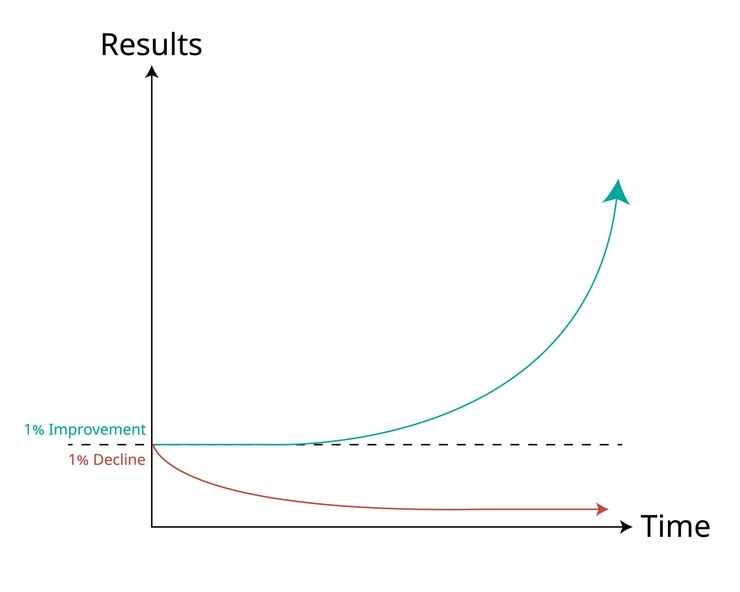
According to the American Council on Exercise, consistency is the foundation of long-term fitness results. It helps condition your muscles, improves cardiovascular health, and builds mental resilience. And ultimately creating the snowball effect, which is the main goal.
But at the end of the day, we’re all human, and life can be hectic. That’s where micro-habits come into play. Creating small, and manageable routines like a 10-minute stretching session or quick resistance band circuits can keep you on track.
These micro-habits create a positive feedback loop, where success builds more motivation, as explained by James Clear’s “Atomic Habits” .
Moreover, the World Health Organization highlights that adults should aim for at least 150–300 minutes of moderate-intensity activity per week. Spreading this across daily home workouts makes the goal achievable and sustainable.
The key here is finding what works for you. Set a regular time that suits you, and mix in fun elements like workout videos or challenges, also you can invite some companions. This approach builds sustainable home workout habits while aligning with your lifestyle.
So, if you’re a busy person or a parent multitasking , remember: consistency beats perfection. Focus on small, daily wins, and you’ll build a fitness routine that will reward you.
Mental Wellness Through Long-Term Home Fitness Routines
Having a sustainable home workout habits not only will make you achieve your fitness goals, but also they can significantly boost mental wellness, reducing stress, anxiety, and even depression.
According to the Mayo Clinic , regular physical activity increases the production of endorphins—natural mood lifters—and improves sleep, both of which are crucial for mental health.
With home workouts, you’re more likely to integrate movement into your daily life, fostering a feeling of accomplishment that carries into other areas, such as work or family.
Moreover, during the COVID-19 pandemic, a study by Frontiers in Psychology found that home-based exercise significantly helped individuals manage stress and anxiety.
What Are the 5 Key Habits to Build a Sustainable Home Workout?

1. Set Realistic Goals: Aim for 3–4 Weekly Workouts
When it comes to sustainable home workout habits, setting realistic goals is essential. Aiming for 3–4 workouts per week strikes the right balance between consistency and flexibility.
Overcommitting can lead to burnout or skipped sessions, while undercommitting might not provide enough challenge. According to the American Council on Exercise , realistic fitness goals increase adherence and motivation.
Whether it’s a short 20-minute session or a longer workout, what matters is staying consistent. Start small if necessary, then gradually increase intensity or duration as your fitness improves.
Tracking small wins, such as completing a week of consistent workouts, boosts confidence and encourages long-term commitment.
2. Create a Schedule: 20-Min Morning Routines
A solid routine is at the heart of sustainable home workout habits. By creating a daily schedule, particularly 20-minute morning workouts, you can set the tone for the day.
Morning sessions energize you, improve focus, and make it less likely to skip due to distractions later. A study from Psychology Today highlights that morning exercise enhances metabolism and fosters discipline.
To make this habit stick, prepare workout clothes and a simple routine the night before. Mix stretching, strength, or cardio, and stick to a schedule, even a brisk walk counts. Consistency over intensity.
Over time, morning workouts become automatic, reinforcing your sustainable home workout habits. Plus, completing your workout early frees the rest of your day for other priorities, creating a balanced and sustainable routine.
3. Track Progress: Use Apps like Strava
Tracking progress is a game-changer . Apps like Strava not only log your sessions but also provide data-driven insights into your progress.
You’ll be able to see improvements in strength, endurance, or flexibility, which reinforces motivation. Research from the International Journal of Behavioral Nutrition and Physical Activity shows that self-monitoring with apps enhances adherence to fitness routines.
By reviewing your stats, celebrating milestones, and adjusting plans based on data, you stay engaged and focused.
Some apps also offer social features, sharing progress with friends or joining challenges can build community and accountability.
4. Incorporate Variety: Mix HIIT, Yoga, Strength
Variety is also so important, as it keeps both your body and mind engaged. Incorporating different workout styles—like HIIT, yoga, and strength training—prevents boredom and promotes balanced fitness.
According to Harvard Health Publishing , cross-training reduces injury risk and boosts motivation. For example, alternate intense HIIT sessions with yoga for flexibility and recovery, and add bodyweight or dumbbell strength exercises to build muscle.
By rotating formats, you challenge various muscle groups, avoid plateaus, and keep things fresh. This approach also aligns with busy schedules, you can choose a quick HIIT blast when short on time or a longer yoga flow on weekends.
5. Build a Support System: Join Online Fitness Communities
A strong support system can make all the difference in maintaining sustainable home workout habits. Joining online fitness communities, such as Facebook groups, Reddit forums, or virtual classes, provides encouragement, accountability, and shared knowledge.
According to a study by Nature Communications , people are more likely to stick with fitness routines when supported by peers. Share your progress, ask for advice, or simply find workout buddies to make the journey more fun.
Many apps, like Strava or MyFitnessPal, have built-in social features that let you connect with like-minded individuals. The beauty of online communities is flexibility, you can engage at your own pace, from the comfort of your home.
By surrounding yourself with positive influences and celebrating each other’s milestones, you’ll strengthen your Sustainable Home Workout Habits and make them an integral part of your life.
How to Design Your Daily Home Workout Routine?

Creating a daily home workout routine can seem overwhelming at first, but with the right approach, it becomes an enjoyable and sustainable part of your lifestyle. Whether you’re a beginner or getting back into fitness, designing a routine that fits your schedule, goals, and preferences is key to success.
Start With Clear Goals
First and foremost, set clear and realistic goals for your daily workouts. Are you aiming to build strength, improve cardiovascular health, increase flexibility, or simply stay active?
Defining your goals helps tailor your routine, making it more effective and motivating. For instance, if your goal is weight loss, combining cardio and strength training in your routine is ideal.
If flexibility and relaxation are priorities, incorporating yoga or stretching exercises makes sense.
Choose the Right Exercises
Selecting exercises that match your goals and fitness level will help youstay on track. A well-rounded routine typically includes a warm-up, a main workout segment, and a cool-down. Warm-ups like jumping jacks or dynamic stretches prepare your muscles and reduce injury risk.
For the main workout, mix bodyweight exercises such as squats, push-ups, or planks with cardio movements like high knees or jogging in place. If you have equipment like dumbbells or resistance bands, add them for extra resistance. Finish with a cool-down using static stretches to improve flexibility and aid recovery.
Set a Realistic Schedule
Consistency is crucial when designing a daily home workout routine. Aim for manageable sessions—20 to 30 minutes per day is a great starting point. Schedule workouts at a time you’re most likely to stick with, such as early morning or during lunch breaks. Using calendar reminders or fitness apps can help keep you accountable.
Incorporate Variety and Progression
To avoid boredom and plateaus, vary your workouts. Alternate between strength training, cardio, and flexibility exercises throughout the week. Gradually increase intensity by adding reps, sets, or weights. This approach keeps your routine engaging and continuously challenges your body.
Listen to Your Body
Finally, remember that rest and recovery are part of a balanced routine. If you feel tired or sore, allow yourself a lighter day or active recovery like walking or gentle yoga. This helps prevent burnout and injury, supporting long-term fitness success.
By following these steps, you can design a daily home workout routine that’s enjoyable, effective, and sustainable. With patience and commitment, you’ll see progress and feel stronger every day.
Nutrition to Support Long-Term Home Fitness

Balance Your Macronutrients
First, aim for a balanced intake of macronutrients: proteins, carbohydrates, and fats. Protein plays a crucial role in muscle repair and growth, especially if you’re lifting weights or doing resistance training.
Great sources include lean meats, beans, lentils, and dairy products. Complex carbohydrates such as whole grains, fruits, and vegetables provide steady energy for your workouts. Healthy fats from nuts, seeds, and olive oil support brain function and hormone regulation.
Stay Hydrated Throughout the Day
Hydration is essential for effective workouts and recovery. Water helps maintain your energy levels and supports digestion.
Experts recommend drinking at least eight glasses daily, increasing intake around exercise times. Herbal teas or infused water with lemon or cucumber can make hydration more enjoyable.
For hydration tips tailored to fitness, take a look at this guide on hydration for athletes.
Time Your Meals Wisely
Timing meals can significantly impact performance. Eating a small, balanced snack 30 to 60 minutes before exercise, such as a banana with peanut butter or yogurt with berries, can boost endurance.
After workouts, consume protein paired with carbohydrates to replenish glycogen stores and repair muscles.
Include Vitamins and Minerals
Micronutrients like calcium, magnesium, and vitamin D are vital for muscle function and bone health. A diet rich in colorful fruits and vegetables will provide these essential vitamins and minerals.
For those with limited sun exposure or dietary restrictions, supplements might be necessary, consult a healthcare professional. Learn more about essential vitamins in this article from the Cleveland Clinic .
Avoid Processed Foods and Added Sugars
Finally, reduce processed foods and added sugars, as they can cause energy crashes and promote inflammation, which impedes recovery. Instead, focus on whole, nutrient-dense foods that nourish your body and support your fitness goals.
Overcoming Common Barriers to Long-Term Home Workouts

1. Lack of Time
Time is one of the most cited reasons people skip workouts. To beat this barrier, plan shorter, high-efficiency routines like HIIT or Tabata. These methods deliver results in as little as 10–20 minutes. You can also try quick, energizing exercises from our post on 10-Minute Morning Home Workouts for Busy Professionals.
2. Motivation Slumps
Staying motivated can be tough, especially when working out alone. To counter this, set clear, achievable goals and track your progress using fitness apps like Strava or MyFitnessPal.
According to the Mayo Clinic , setting realistic fitness goals boosts adherence. Additionally, joining online fitness communities offers accountability and inspiration.
3. Limited Equipment
You don’t need a full gym setup to stay fit at home. Resistance bands, dumbbells, and bodyweight exercises provide excellent results. Consider exploring creative tools like household items as discussed in 5 Clever Ways to Use Household Items for Workouts in 2025 for variety.
4. Space Constraints
Small living spaces can make home workouts feel restrictive. Optimize your area by using compact, portable equipment such as resistance bands or adjustable dumbbells. Even a yoga mat in a corner can define your workout zone.
5. Boredom
Doing the same routine over and over can lead to workout fatigue. Incorporate different workout styles, HIIT, strength training, yoga, to keep things exciting. Plus, following fitness influencers or streaming online classes can add a fresh twist to your routine.
In conclusion, while barriers to long-term home workouts are real, they’re not insurmountable. By addressing these common challenges with proactive solutions, you’ll build sustainable home workout habits that last.
Conclusion
By tackling challenges like time constraints, motivation dips, limited space, and boredom with creative solutions, you can cultivate a routine that supports both your physical and mental well-being.
Remember, success in home fitness doesn’t rely on having the perfect setup or endless time; it’s about commitment, adaptability, and a willingness to embrace variety.
If you’re ready to take the next step, don’t miss our 30-Day Home Workout Challenge, designed to keep you motivated, engaged, and on track. Sustainable home workout habits are within your reach, let’s make them a reality together!