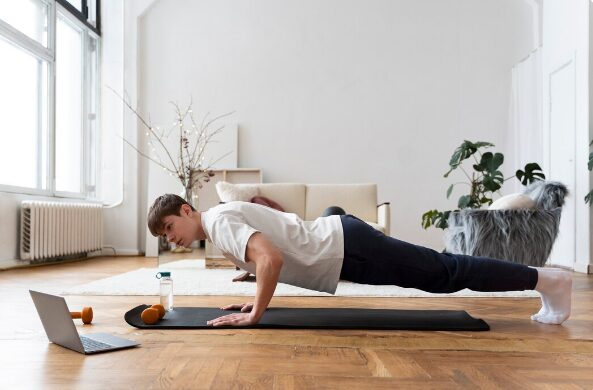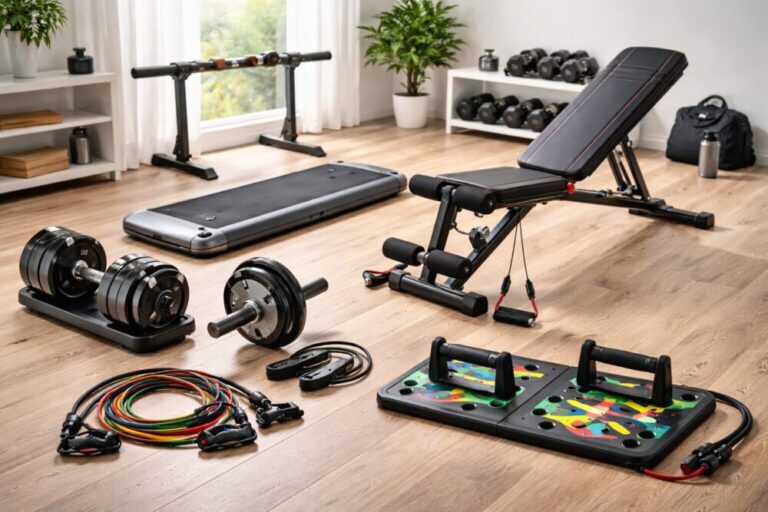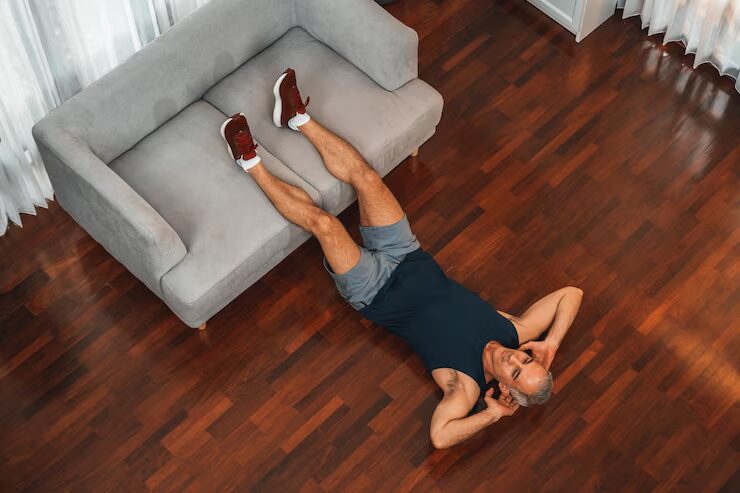


As we age, our bodies naturally lose muscle mass, balance, and flexibility, but regular, safe and low-impact exercise helps slow these declines dramatically.
According to the National Institute on Aging, consistent physical activity supports heart health, reduces arthritis pain, and even boosts cognitive function.
In this article, we gather the ideal home workouts for seniors that are safe, easy but with great results.
7 Best Low-Impact Home Workouts for Seniors Over 50
These exercises are ranked based on safety and benefits so that you can get the maximum benefits with minimal risks.
1. Gentle Stretching

Benefits: Increases range of motion and relieves tension
Stretching can reduce stiffness and boost mobility, especially after other exercises.
Routine:
- Neck Rolls: Slowly tilt your head side to side in a circular motion.
- Hamstring Stretch: Sit on the edge of a chair, extend one leg forward with toes up, and lean gently over your leg.
Safety Tips:
Never force a stretch. Breathe deeply and only go as far as comfortable. Avoid bouncing or jerky motions.
2. Chair Yoga

Chair yoga is one of the easiest and most accessible, low-impact workouts for seniors over 50. It reduces joint stiffness and supports healthy blood flow. Begin by sitting upright in a sturdy chair with your feet flat on the floor.
Benefits: Enhances flexibility, posture, and balance
Routine:
- Seated Cat-Cow Stretch:
- Inhale, arch your back slightly, lifting your chest (cow).
- Exhale, round your spine gently, tucking your chin (cat).
- Repeat slowly for 6–8 breaths.
Safety Tips:
Keep your movements slow and controlled. Use a chair with armrests for added stability. Avoid any stretch that causes discomfort.
3. Wall Push-Ups

Wall push-ups are a perfect low-impact and easy exercise to work on your upper body muscles strength without straining the joints.
Benefits: Strengthens chest, shoulders, and arms
Routine:
- Stand arm’s length from a wall.
- Place palms flat against the wall at shoulder height.
- Slowly bend your elbows and bring your chest toward the wall.
- Push back to the starting position.
- Repeat 8–10 times.
Safety Tips:
Ensure the wall is non-slippery. Keep your body in a straight line and engage your core for better posture.
4. Seated Leg Lifts

Seated leg lifts are great for increasing lower body strength and improving circulation.
Benefits: Strengthens quadriceps and abdominal muscles; ideal for those with arthritis
Routine:
- Sit on a firm chair with your back straight and feet flat.
- Slowly lift your right leg until it’s straightened in front of you.
- Hold for 2–3 seconds, then lower it back down.
- Repeat 10 times per leg.
Safety Tips:
Move slowly and avoid locking your knee. If needed, place your hands on the seat for balance.
5. Toe-Tapping Balance Drill
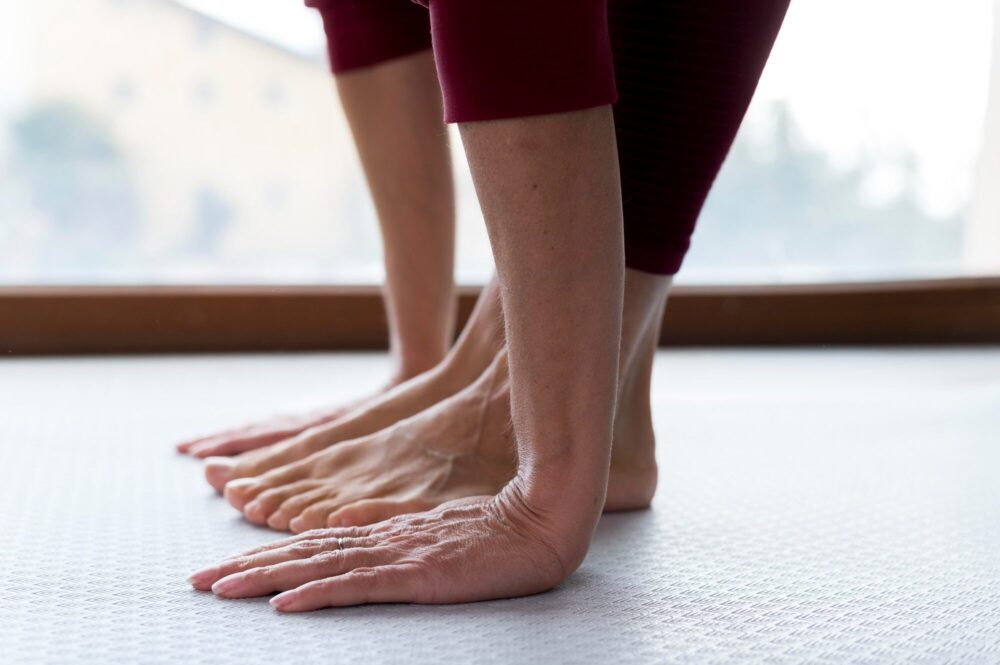
This easy balance drill can help you prevent falls and improve proprioception.
Benefits: Boosts ankle mobility and balance control
Routine:
- Stand behind a sturdy chair, holding the backrest.
- Tap your right toe forward, then return to start.
- Tap your right toe to the side, return, then tap behind you.
- Repeat 8 reps per leg.
Safety Tips:
Keep a chair or counter nearby for support. Focus on controlled movements—don’t rush the taps.
6. Marching in Place

Marching in place is a gentle cardio exercise that helps improve endurance and coordination.
Benefits: Improves heart health and coordination
Routine:
- Stand tall and start lifting your knees alternately.
- Keep your arms swinging naturally, or raise them to shoulder height for added intensity.
- March for 1–2 minutes.
Safety Tips:
Use supportive shoes. If balance is an issue, perform near a wall or chair for stability.
7. Resistance Band Rows

Rows using resistance bands are excellent for improving posture and reducing the risk of shoulder strain.
Benefits: Strengthens upper back and improves posture
Routine:
- Sit or stand with your legs extended.
- Anchor the band around your feet.
- Hold the ends, pull the band toward your body while squeezing your shoulder blades.
- Return to start. Repeat 10 times.
Safety Tips:
Use light resistance to begin with. Always check the band for tears before use. Maintain a neutral spine.
Why Low-Impact Workouts Are Perfect for Seniors Over 50
Aging is the enemy that we can not avoid, but what we can do is minimizing its bad effects significantly. Practicing these low-impact exercises minimize stress on the joints while still improving strength, balance, and cardiovascular health.
Protects Joints and Bones
Low-impact exercises like walking, swimming, or seated strength training help reduce the wear and tear on knees, hips, and shoulders. According to the Arthritis Foundation, these activities are especially important for seniors dealing with arthritis or osteoporosis, as they can alleviate stiffness and improve range of motion without increasing pain.
Boosts Heart Health Safely
Cardiovascular fitness remains crucial after 50, but high-intensity workouts may pose risks. Low-impact cardio exercises like brisk walking, cycling, or even marching in place help regulate blood pressure and cholesterol. The American Heart Association emphasizes that consistent, moderate-intensity movement can significantly reduce the risk of heart disease in older adults.
Improves Balance and Prevents Falls
Falls are a leading cause of injury among seniors. Low-impact exercises such as tai chi, yoga, and balance training are known to strengthen stabilizing muscles and enhance proprioception (body awareness). A study from the National Institutes of Health confirms that seniors who engage in balance-based workouts reduce their fall risk by over 30%.
Supports Mental Wellbeing
Exercise doesn’t just benefit the body—it also supports cognitive function and emotional health. The Mayo Clinic notes that physical activity releases endorphins, reduces anxiety, and even improves memory retention, making it an essential part of holistic aging.
Tools to Enhance Your Home Workouts (Senior-Friendly)
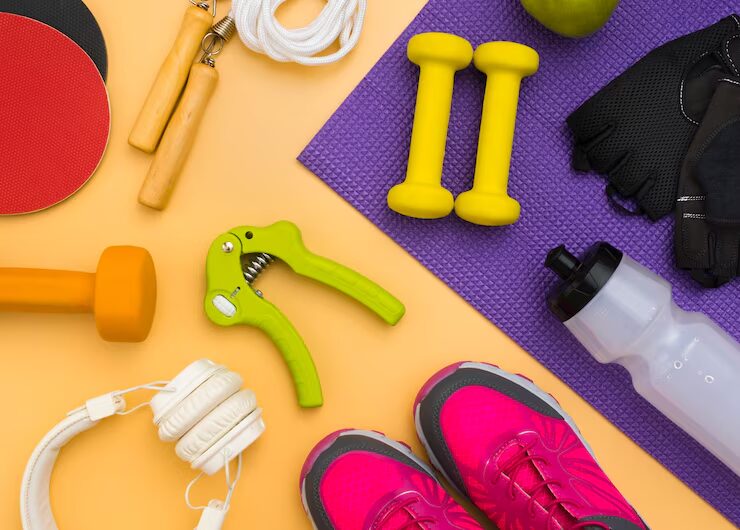
The right tools can make home workouts safer and more effective for seniors. When choosing equipment, prioritize stability, ease of use, and adaptability. Here are some senior-friendly tools to consider:
1. Resistance Bands
These are lightweight, portable, and offer adjustable intensity. They’re perfect for strength training without stressing joints. For example, Theraband resistance bands come in multiple levels of resistance and are recommended by physical therapists.
2. Yoga Blocks and Straps
These tools improve flexibility and make stretches more accessible, especially for those with limited mobility or joint stiffness.
3. Pedal Exerciser
This compact machine mimics a stationary bike and is excellent for improving circulation and leg strength from a seated position. According to Cleveland Clinic, pedal exercisers are one of the top tools recommended for seniors to maintain cardiovascular health safely.
4. Light Dumbbells (1–5 lbs)
Light weights are great for maintaining muscle tone and bone density. Always start low and build gradually to prevent injury.
5. Balance Pads or Stability Balls
These help improve coordination and balance, which is key for preventing falls. For more gear suggestions, you might enjoy our post on Top 5 Best Home Fitness Tools for Beginners, which includes simple tools seniors can also use safely.
Conclusion
Staying active after 50 is crucial if you want to save your youth energy. By choosing the right low-impact exercises, you can boost your cardiovascular health, reduce the feeling of fatigue, and maintain muscle strength.
Ready to take the first step? Practice these low-impact home workouts, and enjoy a healthier, more mobile life.