
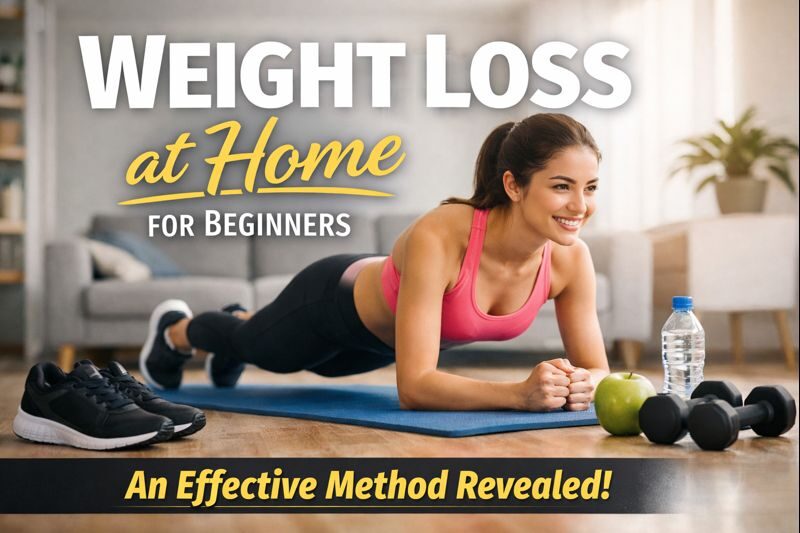
So, you decided to start your own weight loss journey from home? No expensive gym membership. No time wasting. Just pure, noticeable results.
Honestly, based on my experience with my clients I can tell: that’s not easy and not hard at the same time, it’s you what makes the real difference.With the right steps, routine and a strong will, you can reach your goals ASAP .
Key Takeaways
- Understand the importance of a calorie deficit in weight loss.
- Learn how to create an effective morning home workout routine.
- Discover healthy habits to adopt for sustainable weight loss.
- Get started with a 30-Days Home Workout Challenge for Beginners.
- Explore the best diet plans for weight loss at home.
- Understanding the Fundamentals of Weight Loss
- Creating a Calorie Deficit: The Core of Weight Loss
- Weight Loss at Home for Beginners: Getting Started Right
- Essential Equipment for Home Weight Loss
- Morning Home Workout Routine for Maximum Results
- Best Exercises for Beginners to Lose Weight at Home
- The 30-Day Home Workout Challenge for Beginners
- Diet Plan for Weight Loss at Home
- Healthy Habits to Adopt in 2026 for Sustainable Weight Loss
- Common Mistakes Beginners Make When Trying to Lose Weight at Home
- Tracking Your Progress: Measurements Beyond the Scale
- Conclusion: Your Sustainable Path to Weight Loss Success
- FAQ
Understanding the Fundamentals of Weight Loss
To lose weight successfully, you need to know the basics. Weight loss is mainly about having a calorie deficit. This means your body burns more calories than you eat.
The Science Behind Weight Loss
Weight loss occurs when energy intake from food is less than energy output through resting metabolism, exercise, and daily activities, like a seesaw tipping toward expenditure. Studies show this deficit leads to fat breakdown, as the body taps stored energy .(Source)
Sustainable loss requires gradual changes to avoid metabolic adaptations that slow expenditure post-weight reduction.(Source)
Energy Balance and Metabolism
When you eat, your body uses those calories for energy. If you eat more than you need, you gain fat. Eating less than you need lets your body use fat for energy, leading to weight loss.
Role of Exercise and Diet
Exercise and diet are key for losing weight. Exercise burns calories and builds muscle, which increases metabolism. Eating right helps you stay in a calorie deficit.
Setting Realistic Goals for Beginners
For beginners, setting realistic goals is important. Aim to lose 1-2 pounds a week for a healthy weight loss journey. Read our full guide: 10 realistic home fitness goals
The Importance of Consistency
Consistency is crucial for losing weight. Staying on your diet and exercise plan leads to better results than trying hard only sometimes.
By understanding these basics and staying consistent, you can reach your weight loss goals.
Creating a Calorie Deficit: The Core of Weight Loss
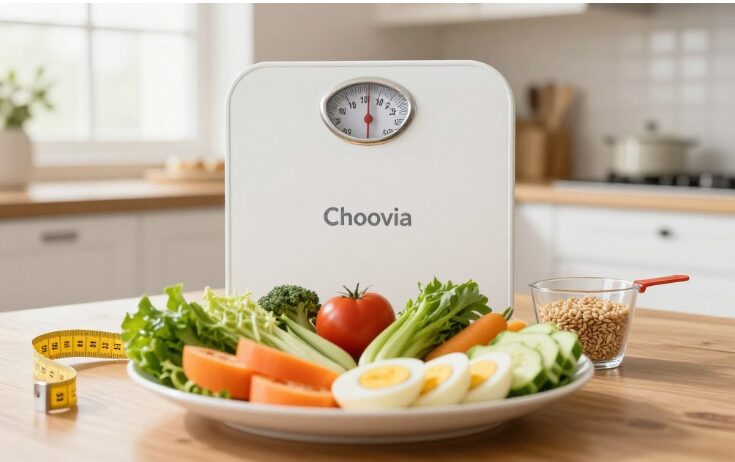
The secret to losing weight is a calorie deficit. This means eating fewer calories than your body burns. You can do this by eating less, moving more, or both.
What Is a Calorie Deficit?
A calorie deficit happens when you eat less than your body uses. This makes your body use fat for energy, helping you lose weight. For example, eating 1,500 calories a day when you need 2,000 creates a 500 calorie deficit.
Calculating Your Daily Calorie Needs
To start a calorie deficit, first figure out how many calories you need daily. This involves knowing your Basal Metabolic Rate (BMR) and adjusting it for your activity level.
Basal Metabolic Rate (BMR)
Your BMR is how many calories your body needs at rest. It’s a big part of your daily calorie use. You can find your BMR with an online calculator.
Activity Level Adjustments
After finding your BMR, adjust it for how active you are. This gives you your total daily energy expenditure (TDEE). For example, if you’re moderately active, multiply your BMR by 1.55.
| Activity Level | Multiplier |
|---|---|
| Sedentary | 1.2 |
| Lightly Active | 1.375 |
| Moderately Active | 1.55 |
| Very Active | 1.725 |
| Extra Active | 1.9 |
Tracking Your Calories Effectively
To keep a calorie deficit, track what you eat and drink. This helps you stay on track.
Recommended Tools
Our free tool can help you track calories. It let you log your food and see your progress. Try it out Here.
“The key to losing weight is not about being perfect, it’s about making consistent progress.” – Me
Understanding and using a calorie deficit can help you reach your weight loss goals. It’s about making lasting lifestyle changes for a healthy balance.
Weight Loss at Home for Beginners: Getting Started Right
Starting weight loss at home can seem tough, but it’s doable. The first step is to build a strong foundation.
Assessing Your Current Fitness Level
Before you begin, it’s vital to assess your current fitness level. Check your weight, body fat, and heart health. Start by measuring yourself, weighing, and doing simple exercises like walking or jogging.
Creating a Sustainable Schedule
Creating a sustainable schedule is key for lasting success. Plan your workouts and meals to fit your life. Find the best times for exercise and eating. Start small and gradually add more to your routine.
Safety Considerations for Beginners
Safety is crucial, even more so for beginners. Always warm up and cool down, and listen to your body. Stay hydrated and eat well. If you’re new, get advice from a doctor or trainer.
By following these steps, beginners can start their weight loss journey at home on the right foot.
Essential Equipment for Home Weight Loss
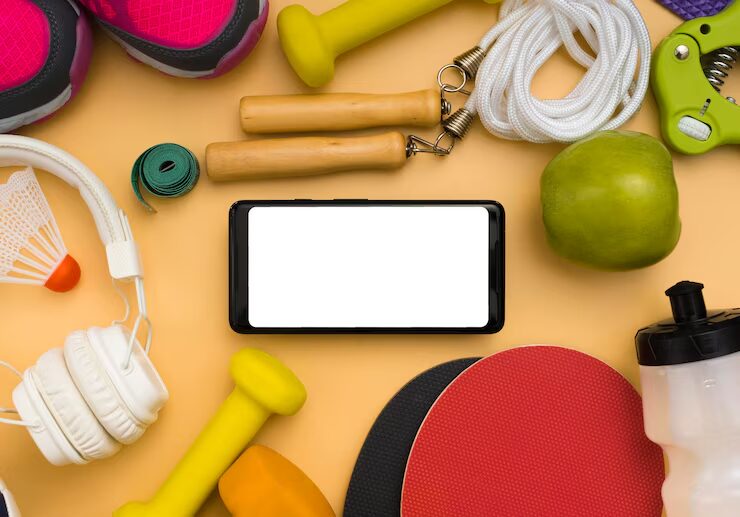
Effective weight loss at home is achievable with minimal equipment. You can start with bodyweight exercises or invest in a few basic items to enhance your workout routine.
No-Equipment Options
Home workouts are great because they need little to no equipment. Bodyweight exercises like push-ups, squats, and lunges are effective for building strength and burning calories. You can also use household items as tools, incorporate cardio exercises such as jumping jacks and running in place to get your heart rate up.
Basic Equipment Worth Investing In
While not necessary, some basic equipment can add variety to your workouts. Resistance bands are lightweight and versatile, allowing for a range of exercises that target different muscle groups.
Resistance Bands and Weights
Resistance bands are an excellent option for strength training. They are inexpensive and portable, making them ideal for home workouts. You can also use dumbbells or kettlebells to add resistance to your exercises.
Yoga Mat and Stability Ball
A yoga mat provides comfort and grip during floor exercises, while a stability ball can be used for core strengthening and improving balance.
Creating a Workout Space at Home
Designate a specific area for your workouts, free from distractions and clutter. Ensure the space is well-ventilated and has a smooth, even floor. Consider adding a mirror to check your form and a timer to keep your workouts on track.
Morning Home Workout Routine for Maximum Results
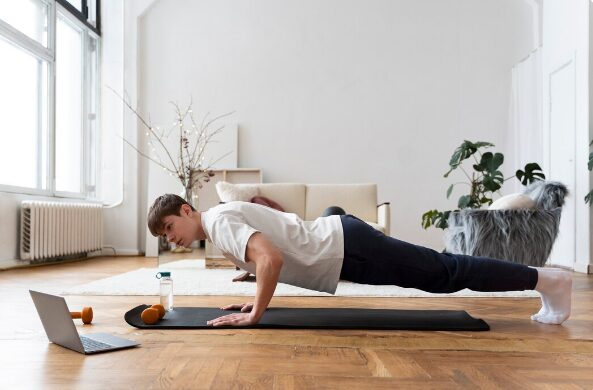
Starting your day with a workout can do wonders for your health. It boosts your energy and sets a positive mood. A good morning routine can help you lose weight effectively.
Benefits of Morning Workouts
Morning workouts offer many benefits. They clear your mind and keep you energized all day. As an Expert I believe that “Morning exercise can enhance your mood and increase your productivity.” They also help you stick to a routine.
15-Minute Morning Energizer Routine
This quick routine wakes you up and gets you moving. It includes a warm-up, core circuit, and full-body exercises.
Warm-up Sequence
Start with a 3-minute warm-up to get your muscles ready. You can jog in place or do jumping jacks.
Core Circuit
Next, do a 6-minute core circuit. Planks, Russian twists, and leg raises are great for your core.
Full Body Movements
End with 6 minutes of full-body exercises like burpees or squat jumps. These raise your heart rate and burn calories.
Adapting the Routine to Your Fitness Level
Make sure the workout fits your fitness level. Start with shorter intervals and increase them as you get better. “The key to a successful workout routine is consistency and gradual progression,” advises a fitness expert.
To adjust the routine, change the exercises or reduce reps. Listen to your body and adjust the intensity to avoid burnout and injury.
Best Exercises for Beginners to Lose Weight at Home
Starting your weight loss journey at home is easy. You don’t need a gym to lose weight. Many effective exercises can be done right in your living room. These exercises are simple, safe, and get you moving towards your weight loss goals.
Effective Cardio Exercises Without Equipment
Cardio exercises are great for burning calories and improving heart health. Here are some top cardio exercises that don’t need any equipment:
Modified Jumping Jacks
This version of the traditional jumping jack is easier on your joints. It still gives you a good cardio workout.
Marching in Place
Marching in place is a simple way to raise your heart rate. It’s easy on your joints and can be done anywhere.
Beginner-Friendly Burpees
Burpees are a full-body exercise that can be made easier for beginners. They work on strength, endurance, and cardio.
Simple Strength Training Movements
Strength training is key for building muscle and increasing metabolism. Here are some easy strength training movements:
- Bodyweight Squats: Works on legs and glutes.
- Push-ups: Targets the chest, shoulders, and triceps.
- Lunges: Effective for legs and glutes.
- Planks: Strengthens the core.
Low-Impact Options for Joint Protection
If you have joint issues, low-impact exercises are a better choice. These exercises are easier on your joints but still effective.
| Exercise | Impact Level | Benefits |
|---|---|---|
| Modified Jumping Jacks | Low | Cardio, leg strength |
| Marching in Place | Low | Cardio, improves circulation |
| Bodyweight Squats | Moderate | Leg strength, glutes |
The 30-Day Home Workout Challenge for Beginners
Starting a 30-day home workout challenge can change your life. It helps beginners build a regular exercise habit. You’ll get stronger and lose weight over time.
Week 1: Building Foundation (Days 1-7)
The first week is all about starting with simple exercises.
Daily Workout Breakdown
Days 1-7 mix cardio and strength training. You’ll do bodyweight squats, push-ups, and lunges. These exercises are perfect for beginners.
Rest Day Activities
Rest days are important for recovery. Try stretching, yoga, or a leisurely walk to relax.
Week 2: Increasing Intensity (Days 8-14)
In the second week, workouts get harder. You’ll do more repetitions, sets, or new exercises. This pushes your body to work harder.
Week 3: Adding Variety (Days 15-21)
By the third week, you’ll try new exercises. This keeps things interesting and stops you from getting bored. You might do HIIT (High-Intensity Interval Training) or core strengthening exercises.
Week 4: Pushing Your Limits (Days 22-30)
The last week is all about reaching new heights. Workouts will be tougher, focusing on progressive overload and maximizing results.
Celebration Workout
To end the challenge, there’s a special workout. It’s a fun, high-energy session that celebrates your hard work.
Diet Plan for Weight Loss at Home
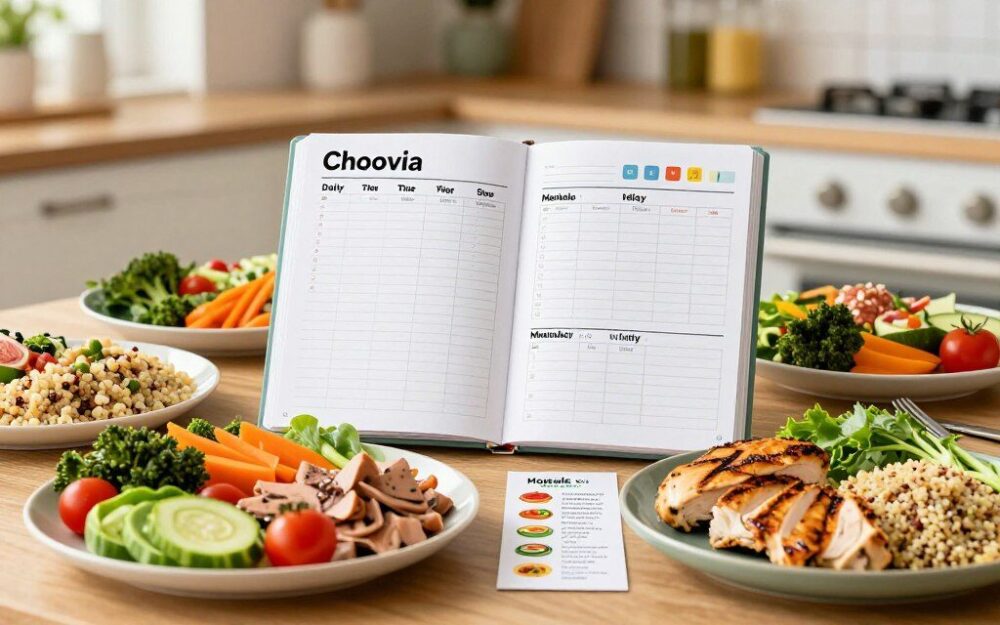
Losing weight at home starts with a good diet plan. A balanced diet helps you lose weight and feel better overall.
Balanced Nutrition Principles
A balanced diet is key for weight loss. It means eating the right amounts of protein, carbs, and fats.
Protein, Carbs, and Fats Balance
Understanding macronutrients is important. Protein builds muscles, carbohydrates give energy, and fats help with body functions. Aim for a balanced mix of these.
Portion Control Strategies
It’s important to control how much you eat. Using smaller plates and measuring food can help keep calories in check.
Meal Planning for Beginners
Meal planning helps you stay on track. It means planning meals, making a shopping list, and cooking ahead. Check our step by step guide to help you start: 5 High-Protein Meal Prep Ideas for Home Workouts
Healthy Habits to Adopt in 2026 for Sustainable Weight Loss
As we enter 2026, it’s key to start healthy habits for sustainable weight loss. The path to a healthier life starts with small, yet powerful changes in your daily life.

Daily Routines That Support Weight Loss
Creating a consistent daily routine is essential for losing weight. This means regular exercise, healthy eating, and enough sleep. Adding physical activity to your day boosts your metabolism and helps burn calories better.
Breaking Unhealthy Patterns
Spotting and breaking bad habits is a big step towards sustainable weight loss. It’s about being aware of your eating habits, avoiding processed foods, and cutting down on sugary drinks. Making smart choices helps you build lasting healthy habits.
Common Mistakes Beginners Make When Trying to Lose Weight at Home
Beginners often make mistakes when trying to lose weight at home. These errors can slow down their progress. Knowing these mistakes can help create a better weight loss plan.
Overtraining and Burnout
Overtraining is a big mistake that can cause burnout and injury. Beginners often think they’re fitter than they are. They push themselves too hard, too fast.
Dietary Pitfalls to Avoid
Some dietary mistakes, like skipping meals or following fad diets, can stop weight loss. A balanced diet with fruits, veggies, and whole grains is key.
| Common Dietary Mistakes | Healthy Alternatives |
|---|---|
| Skipping breakfast | Eating a nutritious breakfast to boost metabolism |
| Relying on processed foods | Incorporating whole, unprocessed foods into your diet |
Unrealistic Expectations
Setting unrealistic goals can lead to disappointment. It’s important to aim for achievable goals. Celebrate small wins along the way.
Understanding Normal Weight Fluctuations
Weight changes are normal and can be due to water retention or hormonal shifts. Knowing this helps beginners stay motivated. It prevents getting discouraged by small setbacks.
Tracking Your Progress: Measurements Beyond the Scale
Monitoring your progress is key in any weight loss journey. It goes beyond just looking at the scale. Other measurements give a fuller picture of how you’re doing.
Body Measurements and Photos
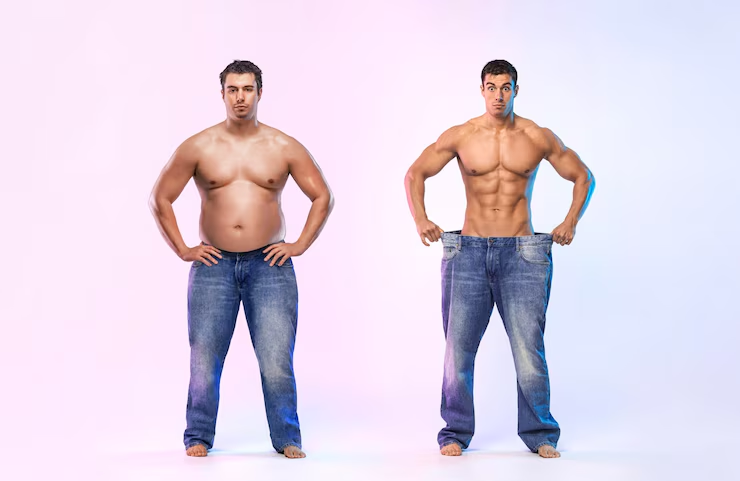
Body measurements are a great way to track your progress. Measuring your waist, hips, and other areas shows how your body is changing. Progress photos also give a clear view of your transformation.
Key areas to measure include:
- Waist circumference
- Hip circumference
- Chest circumference
Fitness Benchmarks to Monitor
Fitness benchmarks are also important. They help you see how you’re improving. These can include:
Endurance Improvements
Tracking endurance is easy. Just see how long you can do an activity like running or cycling.
Strength Gains
Strength gains are about lifting heavier weights or doing more reps.
| Fitness Benchmark | Initial Measurement | Progress Measurement |
|---|---|---|
| Running Distance | 1 mile | 3 miles |
| Weight Lifted | 10 lbs | 20 lbs |
Conclusion: Your Sustainable Path to Weight Loss Success
Weight loss success comes from a healthy diet and regular exercise. Understanding how to lose weight and create a calorie deficit is key. This sets you up for long-term success.
This article has shown that weight loss is more than a quick fix. It’s about adopting healthy habits like a balanced diet and exercise. Also, tracking your progress is important, not just by weight.
For sustainable weight loss, stay committed and patient. With a good plan and consistent effort, you can reach your goals. And keep a healthy lifestyle.
By following this article’s advice, you’re on your way to weight loss success. Enjoy the benefits of a healthier, more sustainable you.
FAQ
What is the best way to start a weight loss journey at home?
To start a weight loss journey at home, first check your current fitness level. Then, set realistic goals. Make a schedule that includes a balanced diet and regular exercise.
How do I create a calorie deficit for weight loss?
To create a calorie deficit, first figure out your daily calorie needs. Our free tool can track your calories and plan your meals.So, make sure you eat fewer calories than you burn through diet and exercise.
What are some effective exercises for weight loss at home?
Effective exercises for weight loss at home include HIIT like jumping jacks and burpees. Strength training like push-ups and squats is also good. Low-impact options like yoga and Pilates are great too.
How can I stay motivated and committed to my weight loss journey?
To stay motivated, set realistic goals and track your progress. Adopt healthy habits like regular exercise and balanced nutrition. Use technology and apps to help you stay on track.
Can I follow a weight loss program at home if I have a busy schedule?
Yes, you can follow a weight loss program at home even with a busy schedule. Create a schedule that fits your lifestyle. Prioritize short, effective workouts and simple meal planning.
How long does it take to see results from a home weight loss program?
The time to see results varies based on factors like starting fitness level, diet, and consistency. Be patient and focus on progress, not perfection.