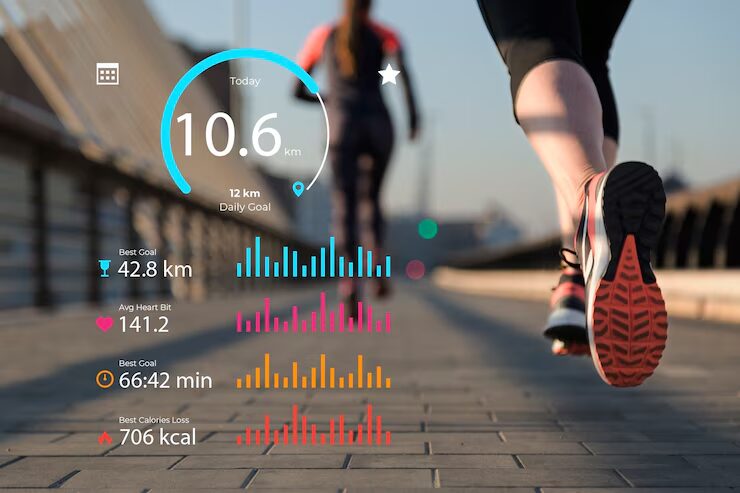

As someone who just start a home workout routine, the first thing comes to his mind is the need of guidance. And like the majority of people, your top list destination are fitness apps, one of the best, easiest and practical choices.
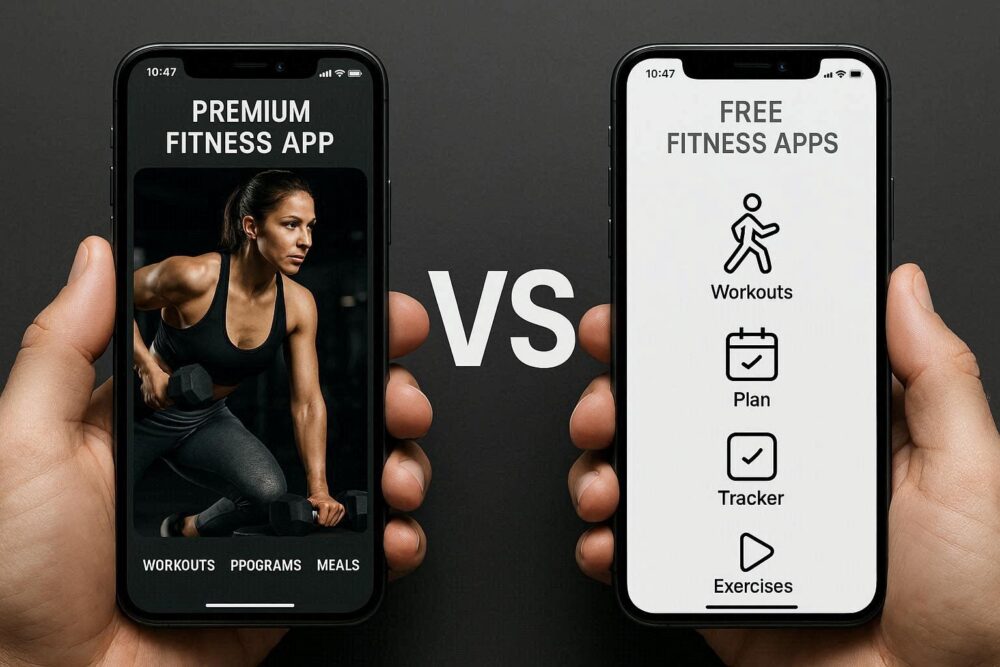
But the question is: should you stick with a free version or invest in a premium one? In this guide, we will compare both options, breaking down their features, benefits, and long-term value, to help you choose between free VS paid fitness apps in 2026.
What Are The Free Fitness Apps: Features, Benefits, and Limitations
Key Features of Free Fitness Apps
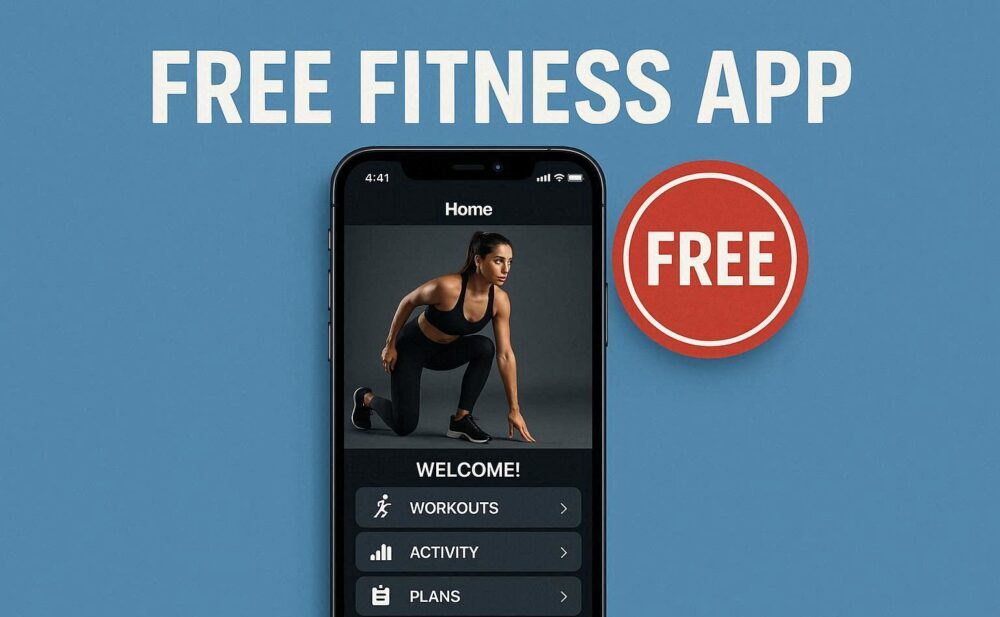
Free fitness apps in 2026 are more advanced than ever, offering a surprising range of tools to support your home workouts, without costing a dime.
These apps have surged in popularity thanks to their accessibility, user-friendly design, and growing libraries of workout content tailored to different fitness levels and goals.
Most free apps now provide:
- On-demand workout videos ranging from 5 to 45 minutes
- Basic fitness tracking for steps, calories burned, and duration
- Customizable workout plans based on user preferences (e.g., fat loss, strength training)
- Integrated music options to stay motivated
- Community forums or challenges for added engagement
For example, Nike Training Club offers guided workouts led by certified trainers, covering everything from strength to yoga, completely free. Similarly, FitOn provides workouts with celebrity trainers, nutrition tips, and even stress management features without offered on the free version.
However, there are some limitations:
- Free apps often rely on ad revenue, so you may encounter interruptions
- Progress tracking and analytics tend to be limited or locked behind a paywall
- No access to personalized coaching or AI-generated fitness plans
- In some cases, offline access isn’t available without upgrading
That said, for beginners, budget-conscious users, or those testing the waters with home fitness, free apps are a great starting point. They allow you to build habits, explore different training styles, and stay active without financial commitment. Many free fitness apps now rival paid options in terms of quality and variety.
💡 Looking to commit to a consistent routine? Try our 30-Day Home Workout Challenge to get started without needing a premium app.
What Are The Benefits of Free Fitness Apps?
Free fitness apps offer a low-barrier way to start or maintain a workout routine at home. Firstly, they eliminate the need for a financial commitment, making them ideal for beginners or anyone on a tight budget.
Moreover, users gain access to a wide range of workouts “from yoga to HIIT” without spending a penny. In addition, these apps often include community-driven features like leaderboards and progress badges, which can boost motivation.
While they may lack premium tracking tools, free apps are perfect for testing out different routines before committing to a paid platform. What really matters is, they make fitness more accessible for everyone.
To stay consistent, pair your workouts with How to stay motivated for your home fitness journey.
What Are The Limitations to Consider?
While free fitness apps offer a solid starting point, they do come with several limitations that may impact long-term progress.
For example, many free platforms provide only a limited library of workouts, often withholding advanced routines or specialized programs unless users upgrade to a paid version. Also, features like personalized coaching and detailed performance tracking are usually absent.
Another limitation that many people may consider very annoying is ads, frequent ads can interrupt workouts and reduce focus. Without deeper analytics or wearable integration, users may struggle to monitor progress effectively.
MyFitnessPal offers food and fitness tracking, but key features like macronutrient breakdowns are locked behind a paywall. Similarly, while the Nike Training Club app offers excellent free content, some premium programs are only available with a subscription.
Overall, free apps are useful for beginners, but more advanced users may find them lacking in customization and long-term support.
What Are The Paid Fitness Apps: Features, Benefits, and Costs
Key Features of Paid Fitness Apps
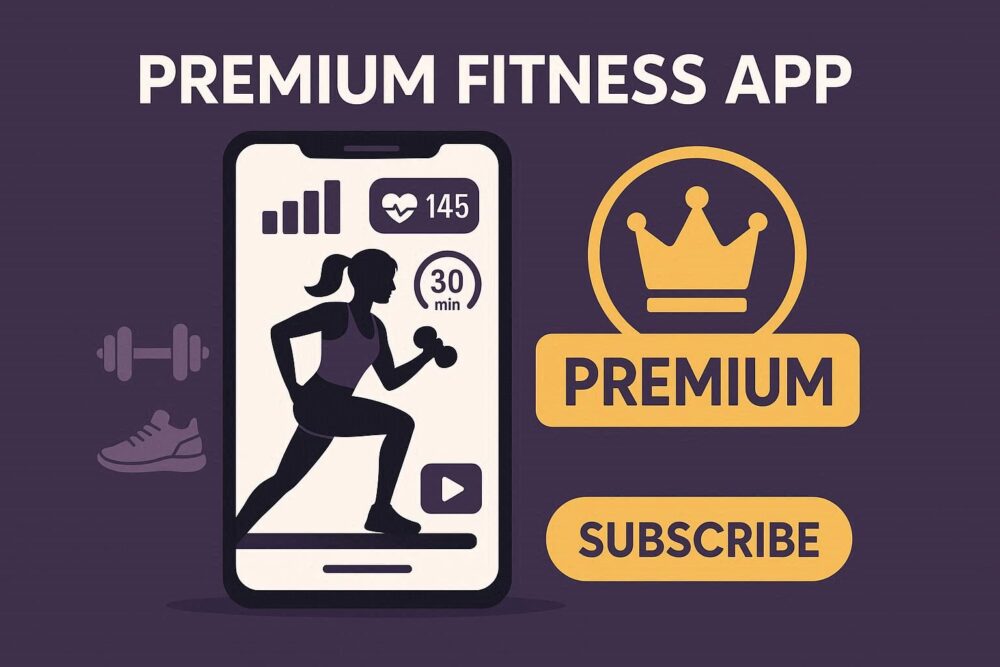
On the other hand, paid fitness apps in 2026 go far beyond the basics, offering users a more customized and interactive workout experience.
What they excel at, is providing access to exclusive content such as expert-led workout programs, live coaching, and progressive training plans that adapt to your performance. Also, many apps include detailed analytics, goal tracking, and smart recommendations based on your fitness level.
Another major facture that sets paid apps apart is their ability to personalize. Apps like Future provide one-on-one coaching with certified trainers who adjust your workouts weekly based on progress and feedback.
Moreover, paid fitness apps often sync seamlessly with wearables like Apple Watch or Fitbit, allowing for real-time heart rate tracking and calorie burn estimates. These features make premium apps ideal for users seeking structure, motivation, and results backed by real data.
What Are The Benefits of Paid Fitness Apps?
Paid fitness apps offer more than just workouts, they deliver a tailored, results-driven experience that’s hard to match with free versions.
The first catching benefit is the ability of users to access structured fitness plans designed by certified trainers, which can help prevent plateaus and accelerate results. In contrast to free apps, paid versions typically include features like progress tracking, accountability check-ins, and adaptive routines that evolve with your performance.
Moreover, premium apps provide nutrition support alongside workouts. For example, Fitbod builds personalized strength-training programs and tracks your recovery, while apps like Centr combine exercise with meal planning and mindfulness for a holistic health approach.
At the end, paid apps tend to offer a smoother user experience with no ads, better integration with wearables, and more robust customer support. As a result, they are ideal for users who are serious about hitting specific fitness goals or want ongoing expert guidance at home.
Costs and Value: which Category Is Better?
When deciding between free and paid fitness apps, it really comes down to value for your lifestyle and goals.
Free apps obviously have the upper hand when it comes to cost, there’s zero financial commitment, which makes them great for beginners or anyone testing the waters. However, the value of paid fitness apps often justifies the price for those who want more structure, accountability, and progress tracking.
Most paid apps range from $10 to $30 per month, which is still much cheaper than a personal trainer or gym membership. For instance, Future offers one-on-one coaching for around $150/month, the cost is high but it’s like having a personal trainer in your pocket.
On the other hand, apps like Fitbod start around $12.99/month and provide dynamic strength training that adjusts with your performance.
Finally, if your goal is to stay motivated, see real progress, and have everything in one place, workouts, nutrition, tracking, a paid app might be worth the investment.
Conclusion
In the end, choosing between free and paid fitness apps really depends on where you are in your fitness journey, and what you need to stay consistent. If you’re just starting out, a free app can be a great low-risk way to explore workouts and get moving at home. They’re perfect for testing different training styles without spending a dime.
However, if you’re aiming for long-term results, deeper tracking, or expert guidance, investing in a paid app can seriously elevate your home workouts. With personalized coaching, structured programs, and integrated nutrition support, the added cost often translates into more motivation and faster progress.
Bottom line? Start with what fits your current goals and budget. And remember, consistency matters more than the platform you decide.