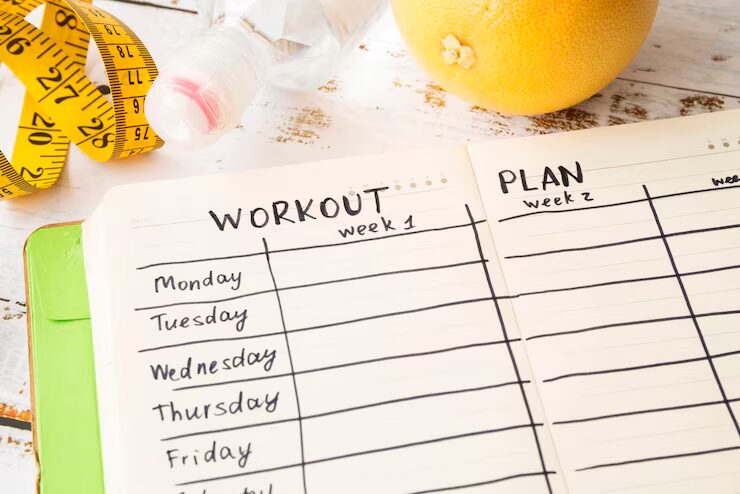


The confetti has settled, the champagne glasses are empty, and you’re staring at that dusty corner of your living room thinking, “This is the year I finally get fit at home.” Sound familiar? As a personal trainer, I’ve seen this scenario play out thousands of times. But here’s the truth: 2026 can genuinely be different if you approach your home fitness journey with the right strategy, not just motivation.
Let me be brutally honest with you. Motivation is overrated. It’s fleeting, unreliable, and disappears the moment your alarm goes off on a cold Monday morning. What you actually need is a system, a sustainable approach that works even when motivation fails.
Key Takeaways
- Home fitness is your best bet to get fit.
- Setting realistic goals.
- Build a motivating workout space.
- Design the best workout program and meal plan.
Why Home Fitness Is Your Secret Weapon in 2026
Before we dive into the how, let’s address the elephant in the room: is working out at home actually better? The answer is yes, but only if you do it correctly. Research published in the Journal of Sports Medicine and Physical Fitness found that home-based exercise programs can be just as effective as gym-based training when properly structured and consistently executed.
And what puts home fitness in the lead is consistency—it’s easier to stick to a workout program in your living room than going to a gym, especially after a hard day.
Home Fitness Advantages
The advantages of home fitness are massive. You eliminate commute time, saving 30-60 minutes per workout session. You avoid intimidation and comparison that often plague gym environments. You have complete control over your environment, music, and schedule. Most importantly, you remove every excuse that previously prevented you from exercising.
I’ve watched clients transform their bodies, energy levels, and confidence without ever stepping foot in a gym. One of my clients, Jennifer, lost 35 pounds in six months using nothing but her living room, a set of resistance bands, and the commitment to show up daily. The gym isn’t magic; consistency is.
Setting Goals That Actually Work

Here’s where most people sabotage themselves before they even begin. They set vague, emotionally-driven goals like “get in shape” or “lose weight.” As a fitness coach, I don’t recommend this approach because it’s unmeasurable, undefined, and demotivating.
Instead, use the SMART goal framework: Specific, Measurable, Achievable, Relevant, and Time-bound. Rather than “lose weight,” try: “lose 15 pounds by April 1st by exercising four times weekly and maintaining a 500-calorie deficit.” The difference is night and day.
Break your goals into three categories: outcome goals (the end result you want), performance goals (what you’ll accomplish during workouts), and process goals (the daily habits you’ll build).
For example, your outcome goal might be fitting into your pre-pandemic jeans, your performance goal could be completing 20 push-ups without stopping, and your process goal is exercising before breakfast five days per week. Read our guide: 10 realistic fitness goals for 2026.
How to Stick to Your Goals
I suggest writing these goals down and placing them somewhere visible. Studies show that people who write down their goals are 42% more likely to achieve them compared to those who merely think about them. Your bathroom mirror, refrigerator, or phone wallpaper are perfect spots for this daily reminder.
One critical point: set a deadline for your first milestone within 30 days. This creates urgency and allows you to experience a quick win, which fuels momentum. Maybe it’s exercising consistently for two weeks straight, or losing your first five pounds, or mastering proper squat form. Early victories compound into long-term success.
Creating Your Home Fitness Space
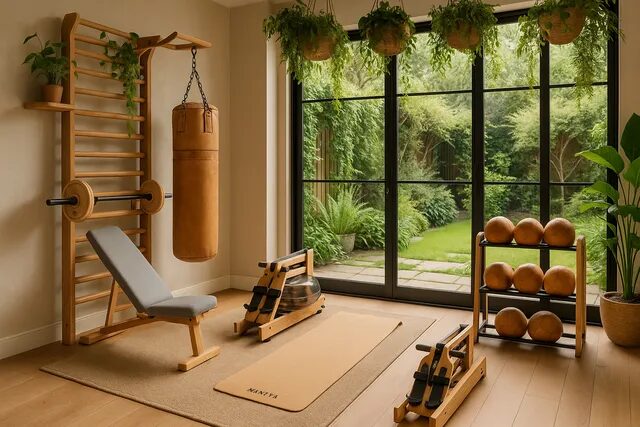
You don’t need a perfect home gym to succeed, but you do need a designated workout zone. This psychological separation between “living space” and “training space” dramatically improves focus and consistency.
I recommend claiming even just a 6×6 foot area as your fitness territory. Clear it completely, make it inviting, and keep your equipment there (even if that’s just a yoga mat and resistance bands). When you enter this space, your brain should automatically shift into workout mode.
Essential equipment for beginners includes:
- Resistance bands (incredibly versatile and under $30),
- A quality yoga mat for floor work and stretching,
- A set of adjustable dumbbells if budget allows (start with 10-25 pounds),
- And a stable chair or bench for elevated exercises.
That’s honestly all you need to build serious strength and muscle at home.
For those ready to invest more, I suggest a pull-up bar for upper body development, a kettlebell for dynamic movements, or a suspension trainer for bodyweight exercises with added resistance.
But here’s the key: more equipment doesn’t equal better results. I’ve seen people achieve incredible transformations with just bodyweight exercises and one set of resistance bands.
Lighting and ventilation matter more than you’d think. Natural light boosts mood and energy, while proper airflow prevents that suffocating feeling during intense cardio. If possible, position your workout space near a window. Add a small speaker for music (proven to increase workout performance by up to 15%), and keep a water bottle filled. Small details create an environment you actually want to use.
Designing Your Workout Program
This is where most home fitness journeys derail. People either follow random YouTube workouts with no progression plan, or they do the same routine until their body adapts and progress stalls. As a personal trainer, I always build programs with three essential components: progressive overload, variety, and sustainability. We’ve created a tool that can create personalized program Here.
Progressive overload means gradually increasing difficulty over time. This might mean adding reps, reducing rest periods, slowing down your tempo, or advancing to harder exercise variations. Your body adapts to stress, so what challenges you today won’t challenge you in four weeks. Plan for this.
For Beginners
I recommend a simple three-day-per-week full-body routine. Monday might focus on push movements (push-ups, shoulder presses, tricep dips), Wednesday on pull movements (resistance band rows, bicep curls, reverse flys), and Friday on lower body (squats, lunges, glute bridges). Each session should last 30-45 minutes including warm-up and cool-down.
For Intermediates
Intermediate exercisers can benefit from a four-day upper/lower split or a push/pull/legs/cardio rotation. The key is balancing intensity with recovery. Research in the European Journal of Applied Physiology demonstrates that muscle growth occurs during rest periods, not during workouts themselves. Training six or seven days weekly often produces worse results than a well-designed four-day program with adequate recovery.
Don’t neglect cardiovascular training, even if your primary goal is muscle building. HIIT workouts are phenomenal for home fitness because they deliver maximum results in minimal time. Twenty minutes of high-intensity intervals can burn more calories and improve cardiovascular health more effectively than an hour of steady-state cardio. I typically program two HIIT sessions weekly for my clients, alternating with their strength training days.
Include mobility work and stretching in every session. Five minutes of dynamic stretching before workouts and five minutes of static stretching afterward prevent injury, improve performance, and enhance recovery. This isn’t optional, it’s essential for long-term success.
Nutrition: The Make-or-Break Factor

You can have the perfect workout program, but if your nutrition is a disaster, you won’t see results. Period. As an expert in both training and diet, I can tell you that nutrition determines approximately 70-80% of your body composition outcomes.
Start by calculating your calorie needs using your TDEE (Total Daily Energy Expenditure). If you’re trying to lose fat, create a moderate calorie deficit of 300-500 calories below your TDEE. If you’re building muscle, eat at maintenance or a slight surplus of 200-300 calories above TDEE. Our free calorie deficit calculator can help you determine these exact numbers based on your individual stats.
Protein intake is non-negotiable. Aim for 0.8-1 gram per pound of body weight to preserve muscle during fat loss or build muscle during a gaining phase. This might seem high, but research consistently shows that higher protein intake supports better body composition changes, increases satiety to help with appetite control, and improves recovery between workouts.
Meal timing matters less than total daily intake, so don’t stress about eating every three hours or avoiding carbs after 6 PM. These myths die hard, but science doesn’t support them. What matters is hitting your calorie and protein targets consistently, day after day, week after week.
I suggest meal prepping on Sundays for the week ahead. Prepare 3-4 high-protein meals you can grab quickly when hunger strikes. This single habit eliminates the decision fatigue that leads to poor food choices. When healthy food is convenient and unhealthy food requires effort, you’ll naturally make better choices.
One practical tip I give all my clients: use the 80/20 rule. Eat nutritious, whole foods 80% of the time, and allow yourself flexibility the other 20%. This prevents the restrictive mentality that leads to binge eating and eventual diet abandonment. Sustainability trumps perfection every single time.
Hydration is another factor people overlook. Dehydration can stall fat loss by slowing your metabolism and reducing workout performance. Aim for half your body weight in ounces of water daily, more if you’re exercising intensely or live in a hot climate. Smart water bottles with tracking features can help you stay accountable to this goal.
Building Unbreakable Consistency
Here’s the uncomfortable truth I witnessed a LOT during my career: motivation will fail you. The excitement of January will fade by March. Your progress will plateau. Life will throw curveballs. So, winning your fitness journey isn’t about maintaining peak motivation; it’s about building systems that work even when motivation disappears.
I recommend the “never miss twice” rule. Life happens, and you’ll occasionally miss a workout. That’s fine. But never miss two in a row. Missing once is an exception, missing twice is the beginning of a new pattern. Protect your streak ferociously.
How to Build Consistency?
Schedule your workouts like unmissable appointments. Block the time on your calendar, set phone reminders, and treat this commitment as seriously as a meeting with your boss. Would you skip an important work presentation because you “didn’t feel like it”? Apply that same mentality to your fitness appointments.
Create accountability through multiple channels. Tell friends and family about your goals, post your workouts on social media if that motivates you, join online fitness communities, or hire a coach for external accountability. Research shows that people with accountability partners are 65% more likely to achieve their fitness goals compared to those going it alone.
Track everything. Keep a simple workout log noting exercises, sets, reps, and how you felt. Take progress photos every two weeks (the scale lies, photos don’t). Measure body parts monthly if body composition change is your goal. Data removes emotion and provides objective feedback on whether your approach is working.
Small Wins Matters
Celebrate small wins relentlessly. Completed two weeks of consistent workouts? Celebrate it. Added five pounds to your squat? Acknowledge it. Lost your first three pounds? Mark the milestone. These micro-celebrations create positive reinforcement loops that make consistency feel rewarding rather than punishing.
When obstacles arise (and they will), have a backup plan. Can’t do your full 45-minute workout? Do 15 minutes. Traveling and don’t have equipment? Execute a bodyweight circuit. Feeling exhausted? Do gentle yoga or a walk. Something is always better than nothing, and maintaining the habit matters more than the specific workout.
Your 2026 Action Plan
Let’s bring this all together into a concrete action plan you can implement starting today, not tomorrow, not Monday, but right now.
Week 1-2: Foundation Building
- Calculate your calorie and macro needs
- Designate your workout space and acquire basic equipment
- Choose a beginner workout program (three days per week, full body)
- Establish your workout schedule and add to calendar
- Take baseline photos and measurements
- Begin tracking food intake to understand current habits
Week 3-4: Habit Formation
- Execute your workout program consistently
- Meal prep on weekends
- Drink adequate water daily (use reminders if needed)
- Join one online fitness community for support
- Practice your chosen form of accountability
- Assess what’s working and adjust what isn’t
Month 2-3: Momentum Building
- Progress your workout difficulty (add weight, reps, or advanced variations)
- Review progress photos and measurements
- Refine nutrition based on results
- Add one new healthy habit (more vegetables, better sleep, stress management)
- Celebrate your consistency milestone
- Share your progress with your accountability partner
Month 4+: Lifestyle Integration
- Fitness is now part of your identity, not a temporary project
- Adjust calorie and macro targets as body composition changes
- Try new workout styles to maintain interest
- Help others starting their journey (teaching reinforces your own learning)
- Continuously refine your system based on what works for your unique life
Conclusion
You have everything you need right now to succeed. Your living room can become your transformation laboratory. Your bodyweight plus minimal equipment can build impressive strength and muscle. Your kitchen can fuel optimal performance and body composition. Your mindset can evolve from “I’ll try” to “I will.”
The people who win aren’t the ones with perfect circumstances, unlimited equipment, or endless free time. They’re the ones who show up repeatedly, adjust when necessary, and refuse to quit when progress feels slow. They understand that transformation is built one workout, one meal, one day at a time.
So here’s my challenge to you: don’t just read this article and feel temporarily inspired. Take one action right now. Calculate your calorie needs using our free calculator. Clear your workout space. Schedule this week’s workouts. Download a tracking app. Do something, anything, that moves you from intention to action.
Please Note: This article contains amazon affiliate links if you buy we may make a commission at no extra cost to you.