
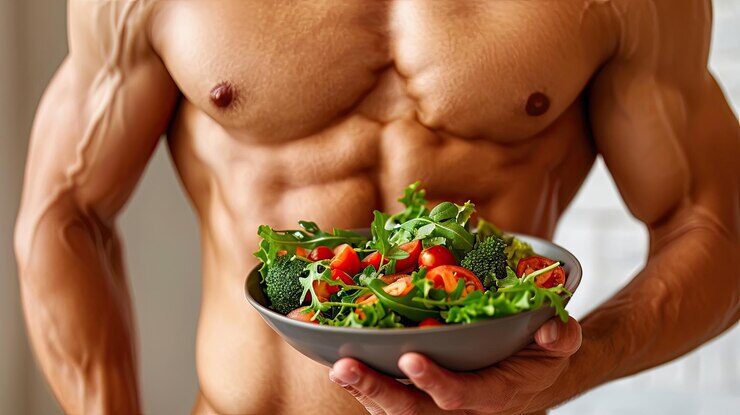
Can you gain muscles based on plant meals alone? Well, it’s not quite simple because of two main reasons: low protein bioavailability and high fiber with lower caloric density.
But with the right combination of nutrient-dense ingredients and strategic planning, having a plant-based meal plan that will help you to grow your muscles is so possible.
In fact, between 2-3% of U.S adults are vegans, so if you are one of them and want the best plant-based meals for muscle gain at home, you’re in the right place.
- How Can You Choose The Perfect Plant-Based Meals for Muscle Gain by Yourself?
- 7 Best Plant-Based Meal Prep Recipes for Muscle Gain
- Tips for Effective Plant-Based Meal Prep at Home
- Try This Sample Weekly Plant-Based Meal Plan for Muscle Gain
- Best Muscle Gain Exercises to Combine with These Plant-Based Meals
- Conclusion
- FAQ
How Can You Choose The Perfect Plant-Based Meals for Muscle Gain by Yourself?

Planning plant-based meals for muscle gain can be a challenge for many people, but it’s all about balance, variety, and preparation.
Muscle gain needs the right balance and amount of macronutrients, which are the main factor of muscle growth.
But what are the essential macronutrients?
To grow your muscles, you need this triangle: protein, carbohydrates, and fats.
Protein
Is the builder, and the non-negotiable factor, it provides the amino acids your body uses to repair and build muscle tissue after training. Without adequate protein, no amount of lifting produces meaningful growth.
Best vegan sources:
- Tempeh Stir-Fry with Edamame
- Lentil & Black Bean
- Tofu Scramble
- Chickpea & Quinoa
- Seitan
Carbohydrates
Are the fuel and the primary muscle’s energy source during resistance training. They replenish glycogen stores depleted during workouts and spike insulin post-training, they are a critical driver of nutrient delivery to muscle tissue.
Best vegan sources:
- Sweet Potato & Brown Rice
- Oatmeal with Banana & Medjool Dates
- Grain Pasta with Marinara & Lentils
- Mango & Pineapple Smoothie
- Black Bean & Corn Tacos
Fats
Are the regulators and they’re often underestimated. Dietary fats are essential for testosterone and growth hormone production, the two primary hormones that boost muscle growth. Drop fat too low and your anabolic hormones crash, and so does your muscle growth.
Best vegan sources:
- Avocado & Walnut Salad with Olive Oil
- Chia Seed Pudding with Flaxseed
- Almond Butter & Banana on Whole Grain Toast
- Hemp Seed & Pumpkin Seed
- Full-Fat Coconut Curry with Cashews
Create Your Plan Based on Your Needs
So, what you will need first to create your personal plant-based meal plan is identifying your macronutrient needs and the ideal vegan meals that offer the maximum of these macronutrients.
For example, if your meals is more protein-rich, you should consider adding carbohydrates and fats meals to your plan and vice versa.
Following this logic will guarantee you creating a highly customizable and personal plan that will respond to your needs.
7 Best Plant-Based Meal Prep Recipes for Muscle Gain

1. Tofu Quinoa Power Bowl
Combine tofu, quinoa, kale, and a drizzle of tahini dressing for a balanced bowl (25g protein, ~500 cal). Tofu and quinoa offer complete plant proteins, while tahini provides healthy fats and minerals. This bowl is perfect for meal prep as it keeps well in the fridge.
👉 Learn about tofu’s benefits here.

2. Lentil Sweet Potato Curry
Simmer lentils, sweet potatoes, and coconut milk with aromatic spices for a warming curry (22g protein, ~450 cal). This dish is rich in fiber and plant-based protein while offering a boost of slow-release carbs for sustained energy.
👉 See lentil nutrition facts.

3. Chickpea Tempeh Stir-Fry
Sauté tempeh, chickpeas, and broccoli over brown rice for a hearty stir-fry (28g protein, ~550 cal). Tempeh and chickpeas combine to create a protein powerhouse, and broccoli adds essential vitamins and minerals.
👉 Discover tempeh’s health perks.

4. Black Bean Burrito Bowl
Mix black beans, avocado, corn, and salsa over brown rice for a flavorful bowl (20g protein, ~400 cal). Beans provide a solid protein source, while avocado delivers healthy fats and fiber. This meal is quick to assemble and easily customizable.
👉 Black beans for muscle gain.

5. Hemp Seed Edamame Salad
Toss edamame, hemp seeds, spinach, and a squeeze of lemon dressing for a refreshing salad (26g protein, ~420 cal). Hemp seeds and edamame are excellent sources of plant protein and omega-3s, perfect for muscle recovery.
👉 Benefits of hemp seeds.

6. Seitan BBQ Wraps
Layer seitan, BBQ sauce, collard greens, and a whole-grain wrap for a satisfying wrap (30g protein, ~480 cal). Seitan is a protein-rich meat alternative with a texture that’s perfect for wraps and sandwiches.
👉 Learn about seitan’s protein power.

7. Pea Protein Smoothie
Blend pea protein powder, banana, almond milk, and chia seeds for a muscle-building smoothie (24g protein, ~350 cal). This smoothie is rich in essential amino acids and fiber, making it a great post-workout recovery option.
👉 Pea protein insights.
These plant-based meal prep recipes work because they combine complete proteins, complex carbohydrates, healthy fats, and essential micronutrients needed for muscle growth and recovery.
Ingredients like tofu, lentils, tempeh, and seitan deliver high-quality plant proteins rich in amino acids, while components like quinoa, sweet potatoes, and brown rice provide sustained energy.
Healthy fats from sources like avocado, tahini, and hemp seeds support hormone balance and nutrient absorption, essential for muscle repair. By offering approximately 20–30g of protein per meal, these recipes ensure your body gets the fuel it needs for effective home fitness recovery and muscle building.
Tips for Effective Plant-Based Meal Prep at Home
Pre-cook large batches of grains like quinoa and brown rice, and prepare easy-to-grab veggies such as spinach and kale. Store your prepped ingredients in airtight containers to maintain freshness and reduce cooking time during busy weeks.
Additionally, portion your meals in advance to ensure consistent calorie and protein intake. For more variety, experiment with spices, herbs, and plant-based sauces to keep meals flavorful and exciting.
Check out these tips :
✅ Choose Protein-Rich Staples: Opt for high-protein options like tofu, tempeh, lentils, and seitan to meet your muscle-building goals.
✅ Batch Cook Whole Grains: Prepare large quantities of quinoa, brown rice, and barley in advance to save time and ensure balanced meals.
✅ Prep Veggies for Quick Use: Wash, chop, and store fresh vegetables like spinach, kale, and broccoli in airtight containers for easy grab-and-go use.
✅ Use Healthy Fats: Incorporate avocado, hemp seeds, and tahini into your meals to promote nutrient absorption and recovery.
✅ Plan Balanced Meals: Include complex carbs, protein, and healthy fats in each meal to support muscle gain and sustained energy.
✅ Flavor Your Dishes: Keep meals exciting by using a variety of herbs, spices, and plant-based sauces such as tahini dressing or vegan BBQ sauce.
✅ Portion Meals in Advance: Divide your meals into individual portions to maintain consistency in protein and calorie intake.
✅ Store Properly: Use glass containers or BPA-free plastic containers to keep meals fresh and avoid food waste.
Try This Sample Weekly Plant-Based Meal Plan for Muscle Gain
Each day includes breakfast, lunch, dinner, and a post-workout snack, totaling ~100–120g protein and ~2,000–2,500 calories, adjustable for individual needs. Recipes are from the “Best 7 Plant-Based Meal Prep Ideas for Muscle Gain at Home in 2025” post. Prep time is ~1–2 hours weekly for batch cooking.
Day 1
- Breakfast: Overnight Oats (oats, almond milk, chia seeds, hemp seeds; 15g protein, 400 cal, 10 min prep)
- Lunch: Tofu Quinoa Power Bowl (tofu, quinoa, kale, tahini dressing; 25g protein, 500 cal, 20 min prep)
- Post-Workout: Pea Protein Smoothie (pea protein, banana, almond milk, chia seeds; 24g protein, 350 cal, 5 min prep)
- Dinner: Black Bean Burrito Bowl (black beans, avocado, corn, salsa; 20g protein, 400 cal, 15 min prep)
- Total: ~84g protein, ~1,650 cal (add snacks like nuts for ~100g protein, ~2,000 cal).
Day 2
- Breakfast: Peanut Butter Banana Toast (whole-grain bread, PB, hemp seeds; 12g protein, 350 cal, 5 min prep)
- Lunch: Hemp Seed Edamame Salad (edamame, hemp seeds, spinach, lemon dressing; 26g protein, 420 cal, 15 min prep)
- Post-Workout: Pea Protein Smoothie (24g protein, 350 cal, 5 min prep)
- Dinner: Lentil Sweet Potato Curry (lentils, sweet potato, coconut milk; 22g protein, 450 cal, 25 min prep)
- Total: ~84g protein, ~1,570 cal (add a protein bar for ~100g protein, ~2,000 cal).
Day 3
- Breakfast: Chia Pudding (chia seeds, almond milk, berries, pumpkin seeds; 14g protein, 380 cal, 10 min prep)
- Lunch: Chickpea Tempeh Stir-Fry (tempeh, chickpeas, broccoli, brown rice; 28g protein, 550 cal, 20 min prep)
- Post-Workout: Pea Protein Smoothie (24g protein, 350 cal, 5 min prep)
- Dinner: Tofu Quinoa Power Bowl (25g protein, 500 cal, 20 min prep)
- Total: ~91g protein, ~1,780 cal (add almonds for ~100g protein, ~2,000 cal).
Day 4
- Breakfast: Overnight Oats (15g protein, 400 cal, 10 min prep)
- Lunch: Seitan BBQ Wraps (seitan, BBQ sauce, collards, whole-grain wrap; 30g protein, 480 cal, 15 min prep)
- Post-Workout: Pea Protein Smoothie (24g protein, 350 cal, 5 min prep)
- Dinner: Hemp Seed Edamame Salad (26g protein, 420 cal, 15 min prep)
- Total: ~95g protein, ~1,650 cal (add lentils for ~100g protein, ~2,000 cal).
Day 5
- Breakfast: Peanut Butter Banana Toast (12g protein, 350 cal, 5 min prep)
- Lunch: Black Bean Burrito Bowl (20g protein, 400 cal, 15 min prep)
- Post-Workout: Pea Protein Smoothie (24g protein, 350 cal, 5 min prep)
- Dinner: Chickpea Tempeh Stir-Fry (28g protein, 550 cal, 20 min prep)
- Total: ~84g protein, ~1,650 cal (add a vegan protein bar for ~100g protein, ~2,000 cal).
Day 6
- Breakfast: Chia Pudding (14g protein, 380 cal, 10 min prep)
- Lunch: Lentil Sweet Potato Curry (22g protein, 450 cal, 25 min prep)
- Post-Workout: Pea Protein Smoothie (24g protein, 350 cal, 5 min prep)
- Dinner: Seitan BBQ Wraps (30g protein, 480 cal, 15 min prep)
- Total: ~90g protein, ~1,660 cal (add nuts for ~100g protein, ~2,000 cal).
Day 7
- Breakfast: Overnight Oats (15g protein, 400 cal, 10 min prep)
- Lunch: Tofu Quinoa Power Bowl (25g protein, 500 cal, 20 min prep)
- Post-Workout: Pea Protein Smoothie (24g protein, 350 cal, 5 min prep)
- Dinner: Hemp Seed Edamame Salad (26g protein, 420 cal, 15 min prep)
- Total: ~90g protein, ~1,670 cal (add seeds for ~100g protein, ~2,000 cal).
Best Muscle Gain Exercises to Combine with These Plant-Based Meals

To supercharge your muscle-building journey with the high-protein, plant-based meals we’ve shared, let’s dive into a handful of top-notch exercises that perfectly complement these dishes for home fitness.
First up, barbell or dumbbell squats (3–4 sets of 8–12 reps) are a must, hitting your quads, glutes, and hamstrings while sparking a hormonal boost to fuel growth. Pair these with the Tofu Quinoa Power Bowl’s 25g of protein, and you’re set for solid post-workout recovery.
Next, pull-ups or resistance band pulldowns (3–4 sets of 10–12) work wonders for your lats, biceps, and upper back. After crushing this move, refuel with the Chickpea Tempeh Stir-Fry’s 28g protein to keep those gains coming.
For your chest, triceps, and shoulders, dumbbell bench presses or push-ups (3–4 sets of 8–12) are fantastic, especially when followed by the Seitan BBQ Wraps’ hefty 30g protein to support muscle repair.
Then, deadlifts or Romanian dumbbell deadlifts (3 sets of 6–10) strengthen your entire posterior chain, think hamstrings and lower back, made even better with the Lentil Sweet Potato Curry’s mix of carbs and protein.
Finally, wrap up with face pulls or bicep curls (3 sets of 12–15) using bands or dumbbells to boost shoulder health and sculpt your arms, rounding it out with the Pea Protein Smoothie’s 24g protein for quick recovery.
Aim to hit these exercises 3–4 times a week, gradually upping the weight or reps to keep challenging yourself. Give your muscles 48–72 hours to recover, and let these plant-based meals fuel your progress. You’ve got this, build that strength right from your living room in 2025!
Conclusion
Embarking on a plant-based journey for muscle gain doesn’t have to be daunting, especially with the right meal prep strategy tailored for home fitness. The seven high-protein, plant-based recipes we’ve shared, from Tofu Quinoa Power Bowls to Pea Protein Smoothies, offer delicious, budget-friendly ways to fuel your workouts and support muscle repair in 2025.
By incorporating these meals into a weekly plan, you can save time, stay consistent, and achieve your fitness goals without relying on animal products. At Choovia, we’re committed to making home fitness accessible and sustainable.
FAQ
How much protein do I need for vegan muscle gain?
Aim for 1.4–2.0g protein/kg body weight daily (e.g., 100g for 70kg) from tofu, lentils, or pea protein at home.
Are plant-based meals budget-friendly for home fitness?
Yes, staples like chickpeas and rice are cheap, making vegan meal prep affordable for muscle gain at home.
Can I prep plant-based meals without cooking skills?
Simple recipes like black bean bowls or smoothies require minimal skills, perfect for home fitness beginners in 2025.
Do plant-based meals support recovery for home workouts?
High-protein vegan meals with carbs (e.g., quinoa, beans) aid muscle repair and energy recovery for home fitness.